
Five Ways Tech Might Change the Way We Work in 2023

Photo by ThisIsEngineering on Pexels.com

Here are five tech trends that Allwork.Space predicts will alter the future of work in 2023.  

1. Workplace tech will become more accessible  

Workplace tech will most likely become simpler to use and accessible for all and should be intuitive in the ways that it supports a team’s collaboration and work. 

Organizations are beginning to consider, more and more, how they can make work more accessible in a way that fosters productivity.  

Jeff Lowe, EVP, and HR Head at SMART Technologies shared his thoughts on tech in the new year.  

“Overall sentiment when considering workplace tech for 2023 should be how the three legs of the stool need to align: Facilities, HR, and Tech,” Lowe said. “It’s not just tech in isolation that’s going to solve anything. It’s how workplace design, flexible policies, and collaborative tech align that will define if the workplace tech provides value to remote, hybrid, and in-person workers.”   

Tech investment will increasingly be made with flexible policies in place, and companies should address what it looks like when colleagues come into the office and need spaces for collaborative, connected work.  

2. AI/automation will prove that it can make employees’ lives easier 

“As we head into 2023, we are seeing renewed efforts to provide an excellent employee experience, which includes access to technology that makes employees’ jobs easier,” Jennifer Kraszewski, Vice President of Human Resources at Paycom, told Allwork.Space. 

Artificial intelligence such as Siri and Alexa will become more common in the work sphere. Voice search technology has rapidly advanced in the last decade, and 41% of adults and 55% of teens now use voice search daily.  

This type of AI is faster than typing, and voice tech might make its way out of the home and into the workplace in 2023. 

“Greater integration with emerging technology will afford more automation and AI assistance that improves efficiencies, saves time, and reduces redundancy frustrations, creating better work-life harmony,” said Kayla Lebovitz, CEO, and Founder of Bundle Benefits.  

The technological revolution that is underway will continue to uproot how people work, showcasing more effective work options in the digital space.  

According to Lebovitz, the emerging technology convergence will deliver more opportunities to connect people remotely — with as much as a 40% increase in virtual collaboration and communication.   

“Technology trends for 2023 will be all about consolidating what we all learned during the pandemic, namely prioritizing technology solutions which not only engineer connections between employees in a remote-first world, but that also reduce the burden of unnecessary admin with automated workflows,” added Melinda Veeder, Chief People Officer of Xplor Technologies.   

3. Organizations will increasingly upskill their workforces with learning technology  

With the Great Resignation shifting into the Great Reshuffle and rattling the labor market, companies can’t afford to ignore the missed opportunity of upskilling. 

“Organizations must invest in learning technology as an essential retention strategy and prioritize making training and development an alluring part of the employee value proposition,” John Peebles, CEO of Administrate, told Allwork.Space. “Boosting employee retention rates will remain top of mind for business leaders, and a great way to accomplish this is by upskilling employees.” 

With the right learning technology, company leaders will be able to easily understand where the skill gaps exist within their organizations and provide tools and data to fill those lapses. The ability to rapidly identify these gaps and coordinate that with employee development is already happening in our current workforce.  

For example, over the next four years, PwC is committing $3 billion to upskilling. This will primarily be invested in training their workers, as well as in technologies for supporting clients and communities. 

4. Employers will utilize tech to show appreciation for their employees 

Employee appreciation is not only good for morale, but also for business. Employers are using technology to ensure employees feel seen, heard, and appreciated as many of them continue to work remotely. 

In 2023, virtual recognition alternatives will come in handy when managing remote or hybrid employees, especially since connectivity has historically been built through in-person relationships. 

Workplace recognition might become one of the top ways to curb “Quiet Quitting” and increase retention, and it can all be done virtually with the use of workplace technology. 

“Managers are desperate to improve employee satisfaction in the workplace, so through implementing appreciation initiatives (thank yous, work anniversaries, birthdays, and more) they can ultimately create a sense of belonging that is not only beneficial to an employee’s feeling of connection to the company but also imperative to employee retention,” said Aaron Rubens, Co-Founder, and CEO of Kudoboard.  

Some examples of this technology that is increasingly being utilized are Bonusly, an employee appreciation platform that helps employees give small bonuses to colleagues.

 Praise is most effective when it’s public, which is why so many employers use the team communications platform Slack to show employees that they appreciate their hard work, usually in channels especially for congratulating staff.    

5. Organizations will decide where they stand on the metaverse 

In 2022, the idea and popularity of the metaverse proliferated. Meta CEO Mark Zuckerburg said he wanted Meta to be used for virtual work meetings (among other things), but it’s unclear when this will come to fruition.    

Individuals, as well as organizations, invested billions into the metaverse…only for the hype to dramatically die down toward the middle-end of this year.  

Nick Clegg, Meta’s president of global affairs, has said it will likely take 10-15 years before its investments fully pay off and the technology behind both the metaverse and its headsets reach their full potential.  

Tech-savvy organizations might not want to wait that long to implement the metaverse and VR into their workplaces, and 2023 will bear witness to how the metaverse will fare in terms of social popularity and utilization.  

Portions of this article originally appeared on the Allwork.Space website.

The Sundance Company                                                                
Established in 1976, The Sundance Company has the experience to help you with your commercial real estate needs throughout the Boise Valley. If your requirements include property management, leasing, real estate development, project planning, construction or space planning then look to us. The Sundance Company has more than 1.6 million square feet of office and industrial space available in prime locations in the Boise metropolitan area. More information is available at www.sundanceco.com or 208.322.7300.

How to Hack Happiness Chemicals

The Sundance Company                                                                
Established in 1976, The Sundance Company has the experience to help you with your commercial real estate needs throughout the Boise Valley. If your requirements include property management, leasing, real estate development, project planning, construction, or space planning then look to us. The Sundance Company has more than 1.6 million square feet of office and industrial space available in prime locations in the Boise metropolitan area. More information is available at www.sundanceco.com or 208.322.7300.

Prioritize Wellness with These Office Design Ideas

Photo by ATBO on Pexels.com

While customer happiness is key to a successful business, the secret to a happy customer may be a happy employee. A 2019 Glassdoor study found that an increase in employees’ ratings of their experience working at a company corresponded with an even bigger increase in customer satisfaction. This trend was especially clear in industries where employees interact with customers.

Employee happiness is also associated with productivity. According to Gallup, employee burnout can lead to $322 billion in turnover and lost productivity costs. Hence, it’s crucial to take care of your employees.

One major aspect that can contribute to worker happiness is a sense of well-being in one’s workspace. The design of an office—from air quality and lighting to fitness opportunities and comfortable chairs—has a big impact on how employees rate their overall happiness with a company.

Include natural lighting

Employees who work in naturally lit office environments reported 63 percent fewer headaches, 56 percent less drowsiness, and 51 percent less eyestrain, according to a 2017 Cornell study. It’s not always possible to add a skylight or more windows to the office, but there are small steps you can take on almost any budget.

If your office environment already has windows, remove nearby furniture, thick curtains, or other items that may be blocking the light.

If you’re short on windows, invest in full-spectrum lighting. Full-spectrum lighting mimics the light spectrum of natural light. Have fluorescent lighting? Consider purchasing fluorescent light covers, which change fluorescent or LED lighting into natural light.

Improve air quality

Many new and renovated buildings have poor air quality. Breathing poor-quality air for eight hours a day influences your employees. It can result in sick days, allergies, and lower cognition. When air quality is improved, the cognitive functioning of adults can increase significantly, according to a 2021 Harvard University study.

One affordable way to increase air quality at home or at the shared office is to offer HEPA air purifiers for employees. Air purifiers remove bacteria and germs from the air, leading to healthier and happy employees. Want more information on air purifiers?

Create outdoor workspaces

If your office building has access to a rooftop garden or outdoor space, use it! Encourage employees to have meetings outdoors, congregate outdoors, or just take breaks outdoors. Not only does it help break up the day, access to nature is also linked to reduced anxiety, according to a 2021 study.

If your office doesn’t have access to nature onsite, think about whether your work model allows your employees flexibility in where they work. Can they work in their own garden or a nearby park? Can you build in breaks in your employees’ days, so they have time to step outside for a breath of fresh air or a quick walk?

Create indoor natural spaces

If you can’t create an outdoor patio or rooftop garden, consider bringing the outdoors in. Studies have found increased happiness and productivity when natural elements are brought indoors. Natural elements can be as simple as adding potted plants to the office. Or, go bigger with living walls, indoor water features, or even a fish tank.

Encourage exercise on the job

It’s tough to sit at a desk all day. Researchers have linked sedentary behavior with stress, anxiety, and depression. On the flip side, active employees may be more productive and in a better mood.

Exercise can be incorporated into the workday in a few different ways. Offer employees under-desk exercise equipment, like under-desk treadmills, ellipticals, or bikes. Or raise the bar even higher, and offer weekly yoga, meditation, or other wellness classes in the office or through virtual platforms.

Make your employees comfortable

Outdated chairs, desks that don’t adjust, clunky keyboards—any of these can lead to employee discomfort, strain, and loss of productivity. Investing in ergonomic furniture keeps employees more alert, engaged, and productive.

One ergonomic option that has been linked directly to health and productivity at work is active workstations, such as standing, cycling, or treadmill workstations. Research shows that each of these types of workstations has different benefits, including decreasing boredom and improvement in simple processing tasks.

Employee wellness is key to a happy customer. These design tips can help improve not only the quality of your employee work experience but the quality of your customer experience as well.

Portions of this article originally appeared on the Quill website.

The Sundance Company                                                                
Established in 1976, The Sundance Company has the experience to help you with your commercial real estate needs throughout the Boise Valley. If your requirements include property management, leasing, real estate development, project planning, construction, or space planning then look to us. The Sundance Company has more than 1.6 million square feet of office and industrial space available in prime locations in the Boise metropolitan area. More information is available at www.sundanceco.com or 208.322.7300.
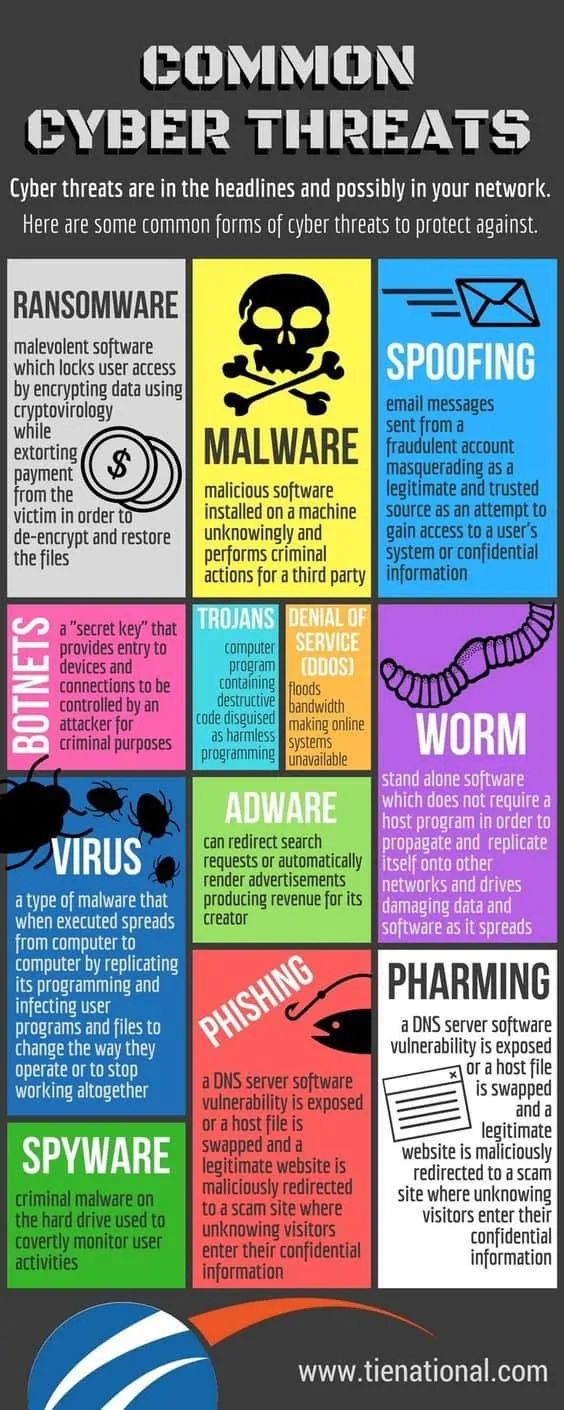
The Highest Grossing Movies of All-Time

The Sundance Company                                                                
Established in 1976, The Sundance Company has the experience to help you with your commercial real estate needs throughout the Boise Valley. If your requirements include property management, leasing, real estate development, project planning, construction or space planning then look to us. The Sundance Company has more than 1.6 million square feet of office and industrial space available in prime locations in the Boise metropolitan area. More information is available at www.sundanceco.com or 208.322.7300.

Lessons from Higher Education to Guide Office Design

Photo by Marc Mueller on Pexels.com

Organizations grappling with the future of work need to reimagine how they design, plan, and manage space. One place they can turn for unique insights on this is the experience of colleges and universities. The reason is simple: employees’ relationship with the physical workplace is starting to look more like students’ relationship with a campus in important ways related to the role of shared spaces for working and meeting.

What lessons can offices take from higher education?

Colleges and universities don’t always get space right, but their successes and challenges provide useful insight for organizations looking to learn. The factors to consider for effective office design are varied — the quality and quantity of spaces, scheduling, research and analytics, and worker flexibility — yet all important.

Below are questions and observations about these factors to help guide the design, planning, and management of office and coworking spaces.

Scheduling 

  • What will your policies and procedures be for booking space?
  • What will the split be between first-come, first-served spaces versus reservable spaces?
  • What mix of centrally available versus restricted spaces will you offer? The fewer restricted spaces there are, the more efficient your space utilization will be.
  • For spaces that are drop-in, will there be any effort to make vacancy information available in real-time?
  • Will scheduling be done centrally, self-service, or from some middle ground — e.g., a department can have one or two workers with authority to book spaces.
  • By whom or what system will workflow and approvals be managed? Who will handle complaints? They’ll roll in, don’t worry!

Research and analytics 

  • How will you measure supply versus demand? Will you resort to anecdotes and random observations? This has taken on added importance as the function of physical space is being reinvented.
  • Are you measuring usage patterns of existing spaces or researching the kinds of spaces that would best support organizational effectiveness? Are you gathering feedback from the right individuals?
  • Space that gets reserved is easier to assess than first-come, first-served space if the reservation system collects and organizes the data in a usable way. Reservation data aren’t perfect, but you might be surprised at the fascinating data dashboards that can be created from them.

Quality and Quantity of Facilities 

  • Do you have an enterprise-wide workspace strategy or a more scattershot approach? Higher education flirts with an enterprise-wide approach at times. A formal and holistic approach is more likely to occur in concert with campus master planning, space utilization studies, or capital planning, as institutional leaders work with outside consultants to gauge usage patterns and plan for future needs. Outside of the planning process, siloes often re-emerge. The library pays attention to the library, staff in charge of student centers gauge those spaces, etc. If a campus has bridge-builders or systems thinkers that are allowed to have influence, then facility management has a better chance of being integrative. Part of the issue is higher education’s decentralized admin structure. Be careful of similar forces in your workplace.
  • How will you balance convenience versus efficiency? Would you rather have a bit too much space or a higher risk of users not finding space? When is the cost of redundant space in multiple locations worth the reduced travel? What are your utilization targets?
  • What is your plan for flexing your space supply in the short and medium term? Higher education makes heavy use of long hours, such as all-night study during exams. This doesn’t seem plausible in most other sectors. Higher ed. also pulls other spaces into service, such as dining halls, during demand spikes. On campuses, students can squat in classrooms which — even if it’s not a formal strategy — is clearly a popular one. When it’s nice out, outdoor spaces also absorb demand. Flexible furniture is another way to adjust your supply of rooms.
  • If your spaces become more transient and public, have you considered safety and security measures, in terms of facility design and usage as well as awareness campaigns?

User flexibility  

Worker (or student) flexibility is an important piece of the facility puzzle. That is not a euphemism for having workers deal with the inconvenience. The sources of flexibility, in addition to individual adaptiveness, include the inherent flexibility of one’s job tasks and organizational policy regarding timing and location of work.

  • Do you know your employees’ flexibility, can you increase their flexibility, and can you capitalize on their flexibility? Higher education yields one crystal clear lesson: While students have time constraints such as classes, outside work, and caregiving, otherwise they have extreme amounts of flexibility in when, where, and how they work. Professors have little concern with when or where homework and outside-of-class projects get done. This considerably eases the demand for shared space in every way. Projects that require highly specialized facilities are one exception, but that’s the exception that proves the rule in that the required physical presence is highly intentional. One factor that permits such distributed decision-making is that student academic work involves a variety of tasks, including reading, studying, and taking notes. If there are constraints that require students to be on campus at certain times – perhaps due to a short break between classes – they can choose the task that aligns with the physical conditions, they will inhabit.
  • Do your team members need personalized spaces? Students generally do not. No framed pictures. No knickknacks. They travel light and use laptops and cloud storage. In the olden days, it was USB drives. Computing centers were part of the shared space mix previously but much less so at this point.

Portions of this article originally appeared on the Work Design Magazine website.

The Sundance Company                                                                
Established in 1976, The Sundance Company has the experience to help you with your commercial real estate needs throughout the Boise Valley. If your requirements include property management, leasing, real estate development, project planning, construction or space planning then look to us. The Sundance Company has more than 1.6 million square feet of office and industrial space available in prime locations in the Boise metropolitan area. More information is available at www.sundanceco.com or 208.322.7300.

The Most Visited Website in Every Country

The Sundance Company                                                                
Established in 1976, The Sundance Company has the experience to help you with your commercial real estate needs throughout the Boise Valley. If your requirements include property management, leasing, real estate development, project planning, construction or space planning then look to us. The Sundance Company has more than 1.6 million square feet of office and industrial space available in prime locations in the Boise metropolitan area. More information is available at www.sundanceco.com or 208.322.7300.

How to Conduct a Productive Brainstorming Session

Photo by Yan Krukov on Pexels.com

Brainstorming has gained a foothold across a wide array of disciplines, industries, and work setups. However, many people have a limited view of the process, not realizing there’s more than one way to do it.

Broadly, brainstorming tasks an individual, or more commonly a group, with working toward a conclusion or solution for a problem by tossing different ideas into the ring. More succinctly, brainstorming is a creative idea-generating process.

Curious to learn how to elevate your next brainstorming session? Continue reading to discover the origins of this idea-generating method, plus techniques on how to lead or participate in a brainstorming session.

The benefits of brainstorming

The advantages of brainstorming go beyond just finding a solution to a problem. Structured yet spontaneous group collaboration can benefit workers in a variety of ways.

  • It inspires creativity. Brainstorming can spark creativity when team members riff on and help shape each other’s ideas. In fact, research suggests that when two not-so-creative individuals work together on a creative problem, their cooperation with one another enhances creative performance.
  • It can be used as a teaching-learning tool. Research shows that brainstorming is effective teaching—and learning—tool. Participants in one study found that brainstorming was a helpful technique for postgraduate medical biochemistry students to understand new concepts, even combatting the “drawbacks of traditional teaching.” 
  • It fosters team building. According to a 2017 study, team members report higher levels of satisfaction not just in the act of brainstorming itself, but in the convergence stage (when they narrow down many ideas to a handful of the best ones).
  • It provides a judgment-free environment for idea generation. Research suggests brainstorming session ideas tend to improve once everyone gets warmed up. Plus, working as a team can help employees feel more secure, supported, and willing to take more risks. 

Helpful guidelines for successful brainstorming sessions

One of the keys to an effective brainstorming session is to get everyone involved. But there are plenty of other components that contribute to great idea generation as well.

Before you host your next ideation session, take note of these helpful suggestions.

  • Send out the problem(s) and expectations beforehand. Before you meet, consider sending everyone a brief description of the problem they’ll be brainstorming solutions for. On that same note, you can also prep everyone for a productive session by refreshing them on the goals of the brainstorming, plus the type of brainstorming the meeting will entail.
  • Bring together a diverse group. We all have different perspectives and lived experiences. So why not take advantage of varying viewpoints and backgrounds? As dictated by your end goal, that can mean assembling individuals of differing ages, genders, or nationalities. Or, depending on what you brainstorm, it may be a good idea to invite colleagues from different departments, too. Once you have your team assembled, remind everyone to remain open to different experiences and ideas.
  • Give people time to develop ideas alone. Some people prefer when they get to ideate on their own first. By making space for individual and group ideation, you can help participants focus, flesh out several completely different trains of thought, and benefit from getting all hands-on deck once you come together as a group to build on the initial ideas.
  • Provide a place to draw or sketch. If you conduct an in-person brainstorming session, you may want to use a communal smartboard or dry-erase board so team members can sketch out ideas and have the flexibility to erase them. Alternatively, you can take a more old-school approach with a large easel pad.
  • Allow everyone to chime in. Encourage everyone to voice their ideas—even if an idea isn’t fully developed yet. Equally as important, remind everyone to stay positive and supportive. Rather than knock down or dismiss an idea, treat every thought with equal respect.
  • Record every idea. In the same vein, jotting down every idea demonstrates to the team that all viewpoints are welcome and valuable. Plus, you never know which ideas will make their way past the cutting room floor when it’s time to evaluate.

Proven brainstorming techniques

To spark creativity and enter your next brainstorming session with a plan, consider trying one of these proven idea-generating techniques.

  • The 6-3-5 method. This brainstorming technique requires a team of six people. Each team member receives a sheet of paper with a three-by-six table and writes down three ideas across the top row. After three minutes, the participants pass the sheets of paper clockwise before writing down three more new ideas inspired by the existing row of ideas. The passing of the idea sheets continues five times until all the rows contain ideas.
  • Mind mapping
    Though there are several distinct methods under the mind-mapping umbrella, this technique always starts with a graphical representation of information. Brainstormers organize ideas with a central image (a title or main idea) with subsequent ideas branching off and even more ideas stemming from the branches.
  • Role storming. This brainstorming method is built on the premise of identity swapping. The goal is for team members to feel more comfortable and creative by stepping into someone else’s shoes and brainstorming as if they were the person assigned to them. Often, taking new roles and responsibilities (even hypothetically) can spur new ideas.
  • Round robin. Though brainstorming was founded on teamwork, taking a round-robin approach allows people to come up with ideas without being directly influenced by another person in the room. To start, each team member writes down initial ideas on a card without discussing them with the group. And then, just like the 6-3-5 method (but minus the three-by-six table), everyone passes their idea card to the person next to them who will use those ideas as inspiration. In the end, a facilitator will eliminate any duplicate ideas before discussing and narrowing down the top contenders.
  • Reverse brainstorming. Reverse brainstorming flips traditional brainstorm on its head. Rather than ideate solutions to a problem out of the gate, team members ideate ways they could cause or exacerbate that problem. Once the team brainstorms all the ways they could create the posed problem, they work together to reverse the ideas into potential solutions.

Conclusion

Brainstorming is not only a creative way to break up the workday, but it’s also an important strategic tool for companies to conjure up novel ideas and new approaches for conducting business. Keep these guidelines and techniques in mind to find what works best for you and your team. Just remember that each problem you bring to a brainstorming session may benefit from a different process.

Portions of this article originally appeared on the Quill website.

The Sundance Company                                                                
Established in 1976, The Sundance Company has the experience to help you with your commercial real estate needs throughout the Boise Valley. If your requirements include property management, leasing, real estate development, project planning, construction or space planning then look to us. The Sundance Company has more than 1.6 million square feet of office and industrial space available in prime locations in the Boise metropolitan area. More information is available at www.sundanceco.com or 208.322.7300.
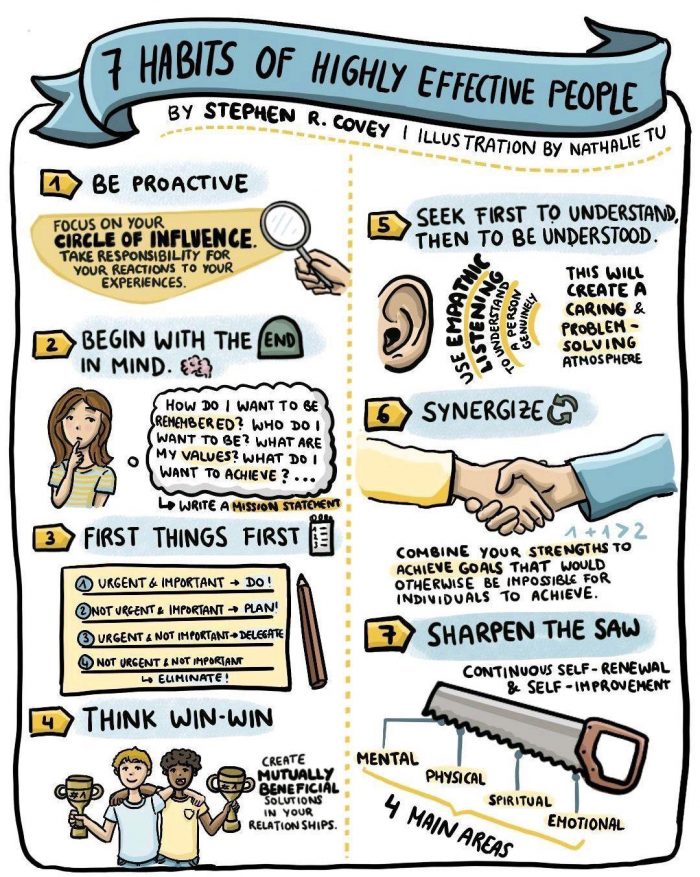
The World’s Longest and Largest Bridges

The Sundance Company                                                                
Established in 1976, The Sundance Company has the experience to help you with your commercial real estate needs throughout the Boise Valley. If your requirements include property management, leasing, real estate development, project planning, construction or space planning then look to us. The Sundance Company has more than 1.6 million square feet of office and industrial space available in prime locations in the Boise metropolitan area. More information is available at www.sundanceco.com or 208.322.7300.

How to Reduce Email Anxiety

Photo by Torsten Dettlaff on Pexels.com

Email clutter and perpetual access to messages are the norm for nearly everyone. Unfortunately, this unrelenting chaos invades work inboxes, too; it is not uncommon for work or business-important emails to fall by the wayside.  

According to Mailbird’s Email Overload Survey, 40% of workers receive roughly 61-100 emails every day, but only around 10% of them have any relevance to their workload.  

As a result, critical work-related emails can be hard to find. One third of workers surveyed said they need to spend three to five hours per week managing their email inboxes — 39% say they spend more than six hours per week managing emails.   

When workers must spend considerable time digging through their inboxes to find relevant emails, it becomes frustrating and time-wasting. Workers could undoubtedly spend six-plus hours each week doing more productive and meaningful activities.  

No escape from email stress 

It is evident from Mailbird’s research that part of the stress related to work emails comes from their perpetual accessibility through smartphones. 

Before the internet, emails and smartphones, time outside of work hours was typically a break from seeing work-related materials. It was customary to associate that time with intrinsically reducing stress levels.   

Things are much more complicated than that now because of constant access to emails on smartphones, which most people carry with them all day.  

For example, if a few hours go by without checking emails, most workers (71.1%) will not become stressed. However, that lowers to just half (51.6%) when workers ignore emails for a whole weekend; and a mere 15.6% when a week has passed with neglecting emails.  

In other words, there is a strong correlation between the duration of time workers do not look at their work-related emails and stress levels.  

This type of correlation is not unique to the age of modern technology. For example, Friedrich Nietzsche’s philosophy from the late 19th century suggests that it is an essential attribute of human nature to become uneased by such inactivity from work.  

Constant email access has amplified this correlation of stress and inactivity with work; 48.8% of workers rank missing out on critical work-related emails as the deepest concern in relation to stress from not checking emails. However, this problem is essentially tied to workers’ cluttered emails.  

Organize and eliminate to decrease stress 

Here are two strategies to cope with cluttered email inboxes and lower stress.  

1. Deleting work-related apps 

The first strategy worth considering is deleting all work-related materials from your phone and letting others at work know you’ve done so.  

“It is stressful to feel the need to check all the time.” Saying something like this will get others to understand and respect your choice in most workspaces; work-related emails are rarely important enough that they cannot wait until workers are in the office during work hours to see them.  

When you’ve established such a norm with yourself and your colleagues, the exterior standard of needing to check emails outside of work hours will likely have less of an influence and, therefore, will produce less stress.  

2. Managing email inbox size and inputs. 

In some workspaces, however, constant contact is non-negotiable. In these and all other cases, managing email inbox size and inputs is critical. However, spending several hours a week doing so is untenable and needs a viable and widely applicable alternative.   

Of the respondents in Mailbird’s report, 60% said that unsubscribing from unnecessary, irrelevant, or unread newsletters or email marketing campaigns helped them to manage inbox size successfully, whereas 49% say email filters are the favorite practices for email management.  

Getting at the sources of most incoming emails — social media, marketing campaigns, subscriptions, spam, industry news, etc. — and eliminating those that are unnecessary is crucial to managing email size.  

Determining which are necessary can be a challenge for many workers, as 73% say there is no formal sense of which emails are work-crucial and which are not. Consulting with managers and coworkers may help resolve ambiguities on priorities.  

Once that has been accomplished, deleting the excess may be time-consuming, and companies could consider investing in email cleaning software that can streamline this entire process, thus making it all the less stressful for workers.  

Portions of this article originally appeared on the AllWork Space website.

The Sundance Company                                                                
Established in 1976, The Sundance Company has the experience to help you with your commercial real estate needs throughout the Boise Valley. If your requirements include property management, leasing, real estate development, project planning, construction or space planning then look to us. The Sundance Company has more than 1.6 million square feet of office and industrial space available in prime locations in the Boise metropolitan area. More information is available at www.sundanceco.com or 208.322.7300.
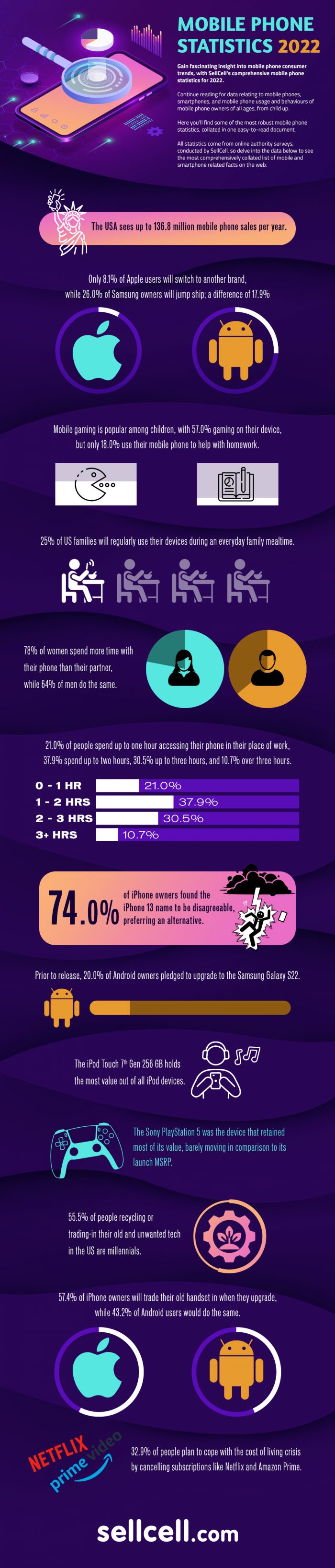
How to Fact Check

The Sundance Company                                                                
Established in 1976, The Sundance Company has the experience to help you with your commercial real estate needs throughout the Boise Valley. If your requirements include property management, leasing, real estate development, project planning, construction or space planning then look to us. The Sundance Company has more than 1.6 million square feet of office and industrial space available in prime locations in the Boise metropolitan area. More information is available at www.sundanceco.com or 208.322.7300.