How To Get Your Office More Organized

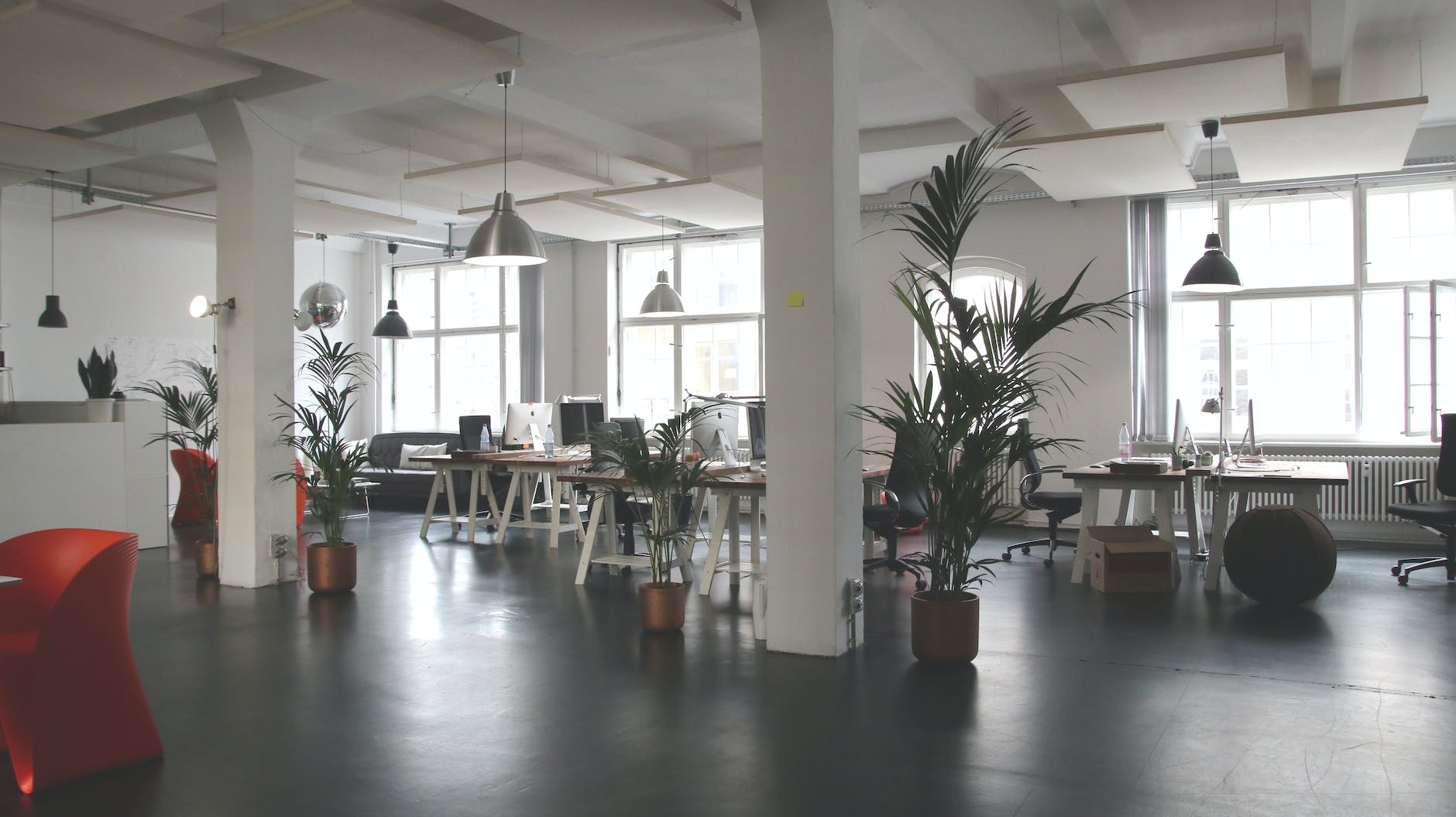
Photo by OVAN on Pexels.com

To help you get organized, here are some simple but effective office products that can help you feel empowered to do your best work:

Labeled receptacles

Whether you work from home or in an office, you’ll inevitably accumulate trash. Rather than collect a growing pile of sticky notes, snack wrappers, disposable coffee cups, and paperwork you no longer need, set up a duo or trio of easy-to-access bins for trash and recycling. You’ll likely want separate bins for trash and recycling and may consider a shredder bin for more sensitive paper waste. If your bins aren’t already labeled (many recycling bins feature a recycling logo), you may want to choose different colored bins or add helpful labels. Once you set up your waste and recycling system, be mindful of when you need to empty each bin to prevent unsightly—and potentially pungent—overflow.

Message boards

Sure, most workers have smartphones with notetaking, reminder, and calendar apps already built in. But sometimes those vital reminders vanish into the ether as they flee from sight (and mind). Keep your most important messages—be they appointment reminders, workflow steps, positive affirmations, or anything in between—on display with a bulletin board or dry-erase board. You can even opt for a combination cork and whiteboard or choose a dry-erase board with a monthly calendar built right in. Update and clear your boards on a weekly or biweekly basis so they don’t turn into clutter zones.

Calendars and planners

If dry-erase calendars aren’t your cup of tea, a paper calendar can help you keep tabs on each workday while providing the benefits of handwriting your events and tasks. For instance, research shows handwriting activates larger networks of the brain than typing and may be a superior option for learning and information recall. If you’re not the desk calendar type, you can also choose a more compact day planner with the option to add page refills at the start of a new year.

Timer

A timer may not be the first item you think of regarding workplace organization. But when it comes to time management and meeting deadlines, timers can help you stay on task and take performance-boosting breaks at set intervals. Take, for instance, the Pomodoro technique. The idea is that by focusing on one task for a set period—and then completely taking the focus off that task during designated break periods—you’ll be much more productive and efficient. And while you could easily pull up a timer on your computer or phone, a handheld timer can help you concentrate even more by keeping digital distractions out of view.

Filing system

Depending on your line of work and how much paper you need to keep track of at any given time, you may be able to properly organize physical documents with a small, stackable desktop letter tray. Alternatively, you may need to invest in a filing cabinet to sort and secure important papers. Don’t forget to stock up on folders and labels to keep your files organized and easy to find. Once you settle on a filing system, consider which items you can scan (and then recycle the hard copies) and which ones you can shred.

Desk organizer

One of the most effective ways to clear productivity-hindering desktop clutter? Get yourself a desk organizer. If you have a desk drawer and a lot of supplies, you may opt for a drawer organizer for items you use once a week or once a month and a desktop organizer for daily-use items, including pens, pencils, scissors, hair ties, lip balm, reading glasses, your phone, and a phone charger. If you have multiple drawers in your desk, you may also be able to convert one into a charging station to free your desktop of unwieldy cords.

Conclusion

While these tools aren’t the be-all and end-all for office organization, investing in some tried-and-true decluttering supplies will be a helpful foundation to set you up for workplace success. One simple change—like hanging a whiteboard or sticking to a clearly labeled filing system—can help you get on track as you commit yourself to a more orderly workspace.

Portions of this article originally appeared on the Quill website.

The Sundance Company                                                                
Established in 1976, The Sundance Company has the experience to help you with your commercial real estate needs throughout the Boise Valley. If your requirements include property management, leasing, real estate development, project planning, construction or space planning then look to us. The Sundance Company has more than 1.6 million square feet of office and industrial space available in prime locations in the Boise metropolitan area. More information is available at www.sundanceco.com or 208.322.7300.
The Most Streamed Spotify Songs of All-Time

The Sundance Company                                                                
Established in 1976, The Sundance Company has the experience to help you with your commercial real estate needs throughout the Boise Valley. If your requirements include property management, leasing, real estate development, project planning, construction or space planning then look to us. The Sundance Company has more than 1.6 million square feet of office and industrial space available in prime locations in the Boise metropolitan area. More information is available at www.sundanceco.com or 208.322.7300.

How Workplace Design Can Help Attract Gen Z

Photo by Cadeau Maestro on Pexels.com

The most recent generation to enter the workforce is Generation Z. Born between 1997 and 2012, Generation Z currently makes up 30 percent of the world’s population and is expected to make up 27% of the workforce by 2025.  What Gen Z desires from an employer:

Flexibility

In the era of hybrid and remote work modalities, Gen Z desires flexibility when it comes to working. They entered the workforce at a pivotal moment in history where full-time remote work was not only an option but necessary. The pandemic revealed the potential for people to have greater flexibility in terms of alternative work models and styles. Because Gen Z entered the workforce during or after the pandemic, they never had the opportunity to establish a steady routine of working 40 hours per week in an office, let alone having to commute to an office. As a result, Gen Z desires greater flexibility on when and where they work. As the first digitally native generation, Generation Z is incredibly technologically savvy and can quickly adapt to a remote or hybrid working method. Unlike earlier generations that struggled to adapt on how to collaborate online through virtual calls or present effectively, Generation Z can efficiently work from anywhere.

On the contrary, finishing a degree or starting a job isolated in your bedroom also affects how often you want human interaction. Research has shown that Gen Z wants to come into the office, even if it is just once or twice a month. Personal development and enrichment are crucial for most people starting their professions. And, without the benefit of spending time in a face-to-face workplace amongst peers, many Gen-Zs are concerned about falling behind. As a result, Gen Z is looking for employers who prioritize work-life balance, remote working, and flexible hours.

How to incorporate flexibility into office design

Having offices that are bookable or shared is a wonderful way to supply employees with choices on how they work. Having bookable or shared workspaces creates spaces for individuals who may want to come to the office and prioritize focus time with the ability to step out and collaborate with colleagues. Furthermore, traditional hierarchies in space planning are reduced because not everyone will have a designated desk and the best office real estate spaces can be used and booked by everyone. Moreover, Flexibility can refer to more than just being able to work from home. Offices can provide employees with flexibility in having different seating arrangements not only for downtime. We are all aware of the different seating arrangements to shake things up but what gets missed is how are these seating arrangements being used? Is there a need for a mobile whiteboard? Power requirements either in the furniture itself or nearby? There is a range of factors to consider when setting up a flexible workplace, but Gen Z will appreciate the ability to work remotely and in a variety of office environments.

Attention to Mental Wellbeing and Wellness

Generation Z is particularly concerned about mental health. Over 50% of 18-24-year-olds have reported at least one mental health issue, such as anxiety or depression, as per the research carried out by the Center for Disease Control. But unlike their predecessors, they are taking a stand and bringing awareness to their mental health. Burnout and stress associated with a lack of mental health care are not things that Generation Z has been taught to tolerate. Generation Z wants a healthy work-life balance and prioritizes their mental health and wellness. They are opposed to working excessive hours and overworking themselves to bolster a company’s financial performance. Therefore, companies must not only take part in raising awareness about wellness and mental health issues but also invest in initiatives and services that address the issue. There is no one-size-fits-all answer; instead, it requires a long-term commitment that focuses on uplifting employees and how they feel about their work.

How to improve mental health in the workplace

Companies and management should want to show their Gen Z employees that they are embracing mental health efforts. Implementing an inclusive “wellness room” is a wonderful way to start. A wellness room is a designated, secluded area in your office where employees can take time out to tend to their own personal health needs. It can take many forms and must be inclusive of all your employees’ needs. Some examples that companies have implemented in a wellness room include a prayer room, yoga room, nap pods, or simply a space to wind down and read a book. Think of it as a space that supports what you would like when you need a break.

Incorporating extra support and gathering areas in the office design is another technique to supply mental health support by encouraging socializing. Employees’ mental health can benefit from game rooms, cafeteria-style lunchrooms, or other locations where they can break their routines. Employers can boost productivity, reduce burnout, and foster a better work-life balance for employees by allowing them to take time away from work to focus on their wellness and mental health.

A Technologically Savvy Space

Generation Z grew up in the age of connecting digitally. As a mobile-first generation, Generation Z is tech-savvy in all aspects of their lives and sees technology as an extension of themselves. As a result, they will blend better with forward-thinking companies interested in implementing innovative technologies. Gen Z is not interested in working for a company that does not show the willingness to adopt change and is still trapped in the prehistoric era of solely using paper and pencils.

Technology in the office

Companies should improve their digital employee experience to satisfy Generation Z’s digital literacy and needs. Choosing a technology-friendly office design that incorporates communal tablets, interactive screens, and other tech advancements that make work smoother is a fantastic way to show that your company is trying to optimize the workplace. Furthermore, companies can utilize tools to help keep the office functioning better such as desk booking applications.

Combination of both private and collaborative workspaces

The pandemic has significantly affected how Generation Z wants to work. Working remotely in the comfort of their own home in solitude allowed them to appreciate private spaces where they can engage in periods of focused work. They have perfected the art of remote work, and they, like their Millennial counterparts, also value collaborative work. Growing up in a hyper-connected world eased through social media, Gen Z is sociable and finds pleasure in collaborating with others and coming together to solve problems.

Designing an office with a balance of private and collaborative workspaces

Striking the correct social-private balance in the workplace and other aspects of your office’s physical architecture is critical. For an appealing workplace design for Gen Z, companies can blend practical workspaces that support individuals’ ability to concentrate alone and open spaces that increase collaboration. Employees can come up with innovative ideas that they can subsequently present to the rest of the workforce by spending time alone and gathering their thoughts during that concentrated period. Combining privacy pods, quiet private desk spaces, and open floor plans can help employees find a happy medium. Employees will be more motivated to come into the office if they know they can work individually while also communicating readily with team members in an informal setting.

Portions of this article originally appeared on the All Work website.

The Sundance Company                                                                
Established in 1976, The Sundance Company has the experience to help you with your commercial real estate needs throughout the Boise Valley. If your requirements include property management, leasing, real estate development, project planning, construction or space planning then look to us. The Sundance Company has more than 1.6 million square feet of office and industrial space available in prime locations in the Boise metropolitan area. More information is available at www.sundanceco.com or 208.322.7300.

10 Things to Teach Kids About Failure

The Sundance Company                                                                
Established in 1976, The Sundance Company has the experience to help you with your commercial real estate needs throughout the Boise Valley. If your requirements include property management, leasing, real estate development, project planning, construction or space planning then look to us. The Sundance Company has more than 1.6 million square feet of office and industrial space available in prime locations in the Boise metropolitan area. More information is available at www.sundanceco.com or 208.322.7300.

The Best Ways to Disconnect on Your Vacation

Photo by Asad Photo Maldives on Pexels.com

Vacations offer time to relax and recharge. They’re an opportunity to spend quality time with those you care about and enjoy exciting new experiences. Yet, all too often, work-related stress (not to mention actual tasks and obligations) can bleed into what’s supposed to be important time-off.

A survey from the American Psychological Association found that more than 1 in 5 Americans feel stressed during their time-off—and 28% end up working more than they initially planned. The result? Positive effects of vacation—improved motivation, energy, and productivity—tend to wear off after just a matter of days.

So, how do you truly disconnect from work on vacation and reap the full benefits of time away from the daily grind? It starts with careful planning before you leave all the way through your return to work. Use these tips to leave your work at the office and return to work after vacation feeling rejuvenated.

Getting Organized: Up to Your Last Day of Work Before Vacation

Making the most of your vacation requires getting organized ahead of time. To leave your work at the office, you need to leave things in a good place. Check off these things to do before going on vacation and you’ll set yourself up for a more relaxing trip.

Set the Stage: Starting 2 to 3 weeks before your trip, add a note to your email signature that outlines your upcoming vacation dates. If you are in regular, close contact with clients, communicate with them directly about your upcoming time-off.

Share a Coverage Plan: As your departure day approaches, communicate with colleagues, and develop a plan to ensure that urgent tasks and needs are delegated and covered as required. Discuss ongoing projects and chart any important milestones and expected progress for the period you’re gone.

Set Up an Out-of-Office Reply: Knowing how to write an out-of-office message for vacation is an important skill—and a task you won’t want to forget to check off. Use your OOO message to let your correspondents know when you will return, whether you will be checking messages and, especially if not, who they can contact in the meantime.

Tidy Up Your Space: The last thing you need upon your return is a messy desk or office. Whether you work from home or at the office, make sure you spend some time organizing your space before closing shop. Not only will it be easier to get back to work on your return, but you’ll also leave town with that extra bit of peace of mind.

How to Disconnect from Work—and Your Devices—While on Vacation

While prepping ahead of time is key, the real work of unplugging from your job comes once you arrive. Make a clean break from your work stress and your devices—or as much of one as you can—by following these simple steps.

Leave What You Can at Home: Between laptops, tablets, and smartphones, your colleagues and clients have a lot of ways to find you these days. The easiest way to disconnect is to leave whatever work-related devices you can at home.

Turn Off Notifications: If you don’t have a work-supplied smartphone, odds are you have various work-related apps on your personal device. Silence the barrage of daily messages and make it easier to resist any temptation to join in by turning off notifications for the duration of your travel.

Go Device-Free for a While: Even if you’re not using your personal devices for work, make sure you carve out some time to disconnect entirely. Schedule a hike, a day at the beach, or a guided urban tour—anything that allows you to unplug, relax, and truly take a break from the stressors of work and life outside vacation.

If You Must: The Right Way to Work While on Vacation

The reality of being an employee is, of course, that people depend on you. And in our always-on world that makes instant communications easier than ever, sometimes disconnecting entirely isn’t always in the cards. Still, that doesn’t have add up to a stressful or work-filled vacation. After all, if that’s the case, does it really count as a vacation? Keep work from overrunning your R&R with these best practices.

Define the Bare Minimum: Pose one simple question ahead of your trip is: “Just how little work can I do to stay on track?” This amount will, of course, vary from person to person and role to role. But being aware of your bare minimum can help you set a limit on the maximum amount of work you’re willing and able do while still focusing on traveling.

Create a Schedule (and Stick to It): Based on how much work you need to do, define a set schedule. Ideally, this will just entail a short session or two each day at the most. Communicate this schedule to your travel buddies and enlist their help in making sure you work only during this pre-determined time.

Find the Right Spot: At the end of the day, even if you need to get some work done, you’re still on vacation. So, make sure it feels like it. If possible, find a unique or scenic spot to work from, rather than just any old desk in your hotel or apartment. Your coworkers might be jealous when you take a conference call from your beach chair, but they certainly can’t fault you for it—you’re on vacation, after all.

Back to Reality: How to Return to Work After Vacation

Going back to work after vacation can be a real drag. So much so there’s even a term for this rough return. To some extent, these “post-vacation blues” are unavoidable. (Who wouldn’t want to remain seaside or slope-side instead of coming back into to the office?) However, it’s still possible to rein in the gloom and more easily adjust to normal life.

Build in a Buffer: When you get back from vacation, you’ve got much more than just work to worry about. Give yourself sometime to decompress, get your personal affairs back in order, and potentially get over jet lag by scheduling a day or two of buffer between your trip and your return to work.

Set Priorities: Before you start in on what might seem like an endless list of to-dos, make things easier on yourself by getting organized. Break down your tasks by their level of priority and break up larger projects into more manageable milestones to ease your return to work after vacation.

Craft the Right Calendar: If you’ve successfully disconnected while away, you can probably expect to find a full inbox waiting for you on your return. Between catching up on messages and getting a handle on high-priority tasks, the last thing you need is a cluttered calendar packed with meetings. When you get back to work, reschedule any inessential meetings for later in the week and let yourself focus on what you need to do most.

Look Forward to Your Next Getaway

Maybe the best way to cure the post-vacation blues? Give yourself another trip to look forward to. During your first days back to the grind, it’s easy to find yourself daydreaming of another trip. So, if you can, act on those desires and book yourself another trip for the near future.

Knowing you’ve got another opportunity to disconnect from work on the horizon might be all the motivation you need. And with some practice on using these tips on how to disconnect from work, you’ll already know how to make the most of your next getaway.

Portions of this article originally appeared on the Quill website.

The Sundance Company                                                                
Established in 1976, The Sundance Company has the experience to help you with your commercial real estate needs throughout the Boise Valley. If your requirements include property management, leasing, real estate development, project planning, construction or space planning then look to us. The Sundance Company has more than 1.6 million square feet of office and industrial space available in prime locations in the Boise metropolitan area. More information is available at www.sundanceco.com or 208.322.7300.

50 Productivity Tips to Boost Your Brainpower

About The Sundance Company
Established in 1976, The Sundance Company has the experience to help you with your commercial real estate needs throughout the Boise Valley. If your requirements include property management, leasing, real estate development, project planning, construction or space planning then look to us. The Sundance Company has more than 1.6 million square feet of office and industrial space available in prime locations in the Boise metropolitan area. More information is available at www.sundanceco.com or 208.322.7300.
Science Confirms the Best Way to Start Your Day

Photo by picjumbo.com on Pexels.com

Every day is full of important tasks, major projects, and personal errands that you can no longer afford to put off. And that’s just the beginning of your never-ending “to-do” list.

Oh, and your desk is a mess.

The question is: Where do you start?

While every situation is unique, and various factors will play a role in how you organize your day, there’s a scientific argument for tackling one of these tasks before the others, namely:

You should start by cleaning your desk.

Cleaning up your desk (or office, or closet, or room) is a surprisingly simple way to exercise emotional intelligence, the ability to understand and manage emotions. But what exactly are the mental and emotional benefits of cleaning up your desk? How can doing so help you feel better about the path ahead, and help you to make better decisions?

Let’s break it down.

The scientific case for cleaning up

As I listened to a recent psychologist’s lecture, a powerful statement stuck with me:

“Landscapes that are cluttered by obstacles produce negative emotion.”

In other words, when we’re trying to accomplish something, every obstacle that stands in your way makes your task harder. Which means, the first step in getting your day in order-; or sometimes even getting your life in order-;is to start with the first obstacle.

That’s what makes cleaning up and getting organized so effective-; because every obstacle you get out of your way helps you to think more clearly. In turn, clear thinking leads to emotional well-being. Additionally, the accomplishment of cleaning up gives you self-confidence and motivation that you can carry forward.

There are tons of scientific research to support this conclusion. For example, consider the following:

Through techniques like brain imaging, scientists at Princeton University demonstrated how a person’s visual cortex can become overwhelmed by clutter, making focus difficult. In contrast, when participants uncluttered their work environment, they were less irritable and distracted, and productivity increased.

A study by members of DePaul University’s psychology department found that by at least one measure, clutter was the best predictor of procrastination and that it interfered with a strong quality of life.

In 2009, psychologists at UCLA found that subjects who felt their homes were very cluttered experienced increased feelings of depression and were measured to have increased levels of the stress hormone cortisol, which researchers say can lead to negative health conditions.

As you can see, tidying up can positively influence your thoughts, emotions, and decision making. But how can you apply these learnings into your life?

Here are a few tips:

  • Start small. Start each day by taking a few minutes to organize your space. Or even better, do this at the conclusion of your day, so you start the next day fresh. Do the same for your computer desktop. Later, you can take more time to do your office or your home. Taking on a larger job, like organizing your office, or even your house, may seem overwhelming…so start only with what you can handle. Focus on the parts of the areas you use most. Use the five-minute rule to work on one small task at a time: promise yourself you’ll do just five minutes and quit if you feel like it. This is another psychological device that “tricks” your mind into getting started because the task now feels manageable-; but many times, leads to getting much more done than you anticipated.
  • Schedule “maintenance” time. Getting organized is one thing; staying organized is another. So, why not schedule time each day to spend on “organization maintenance”? You’ll find that just ten to fifteen minutes a day will work wonders for your productivity, and your mental health. In turn, this type of daily maintenance makes cleanup easier, so you’re not challenged with a huge cleaning project that seems too overwhelming to start.
  • Make cleaning fun. For teams and organizations, Bond Business School Professor Libby Sander recommends establishing regular “spring cleaning” days for departments or teams, complete with pizza. Doing so “can create social interaction and support around a task that most people don’t enjoy,” Sanders says. She also recommends instituting a “clean-desk policy” to help keep shared workspaces tidy-; you can do the same for yourself, or your own “teams” at work and at home, including your family.

And what if all these suggestions seem like too much?

Do what you can, one step at a time. Each action you take is another step forward, and that’s progress you can be proud of.

So, if you’re feeling overwhelmed, take a few minutes to organize your space.

Because the less cluttered your desk, the less cluttered your mind. By removing obstacles, you’ll also remove negative emotions-; and put yourself in a better state to handle the challenges that lie ahead.

Portions of this article originally appeared on the Inc. website.

The Sundance Company                                                                
Established in 1976, The Sundance Company has the experience to help you with your commercial real estate needs throughout the Boise Valley. If your requirements include property management, leasing, real estate development, project planning, construction or space planning then look to us. The Sundance Company has more than 1.6 million square feet of office and industrial space available in prime locations in the Boise metropolitan area. More information is available at www.sundanceco.com or 208.322.7300.
55 Beloved Street Foods from Around the World

About The Sundance Company
Established in 1976, The Sundance Company has the experience to help you with your commercial real estate needs throughout the Boise Valley. If your requirements include property management, leasing, real estate development, project planning, construction or space planning then look to us. The Sundance Company has more than 1.6 million square feet of office and industrial space available in prime locations in the Boise metropolitan area. More information is available at www.sundanceco.com or 208.322.7300.

Property Management Services from The Sundance Company

cropped-layered-logo.onwhite-1.jpg

Property management is a critical component of owning a commercial property. As a property owner, you must think about maximizing the value of your asset. And so does The Sundance Company. Our more than 40 years of Asset Administration experience in in the Boise Valley – Boise, Meridian, Eagle, Nampa, and Caldwell – allows us to offer you a high-quality alternative approach to traditional Property Management services. The Sundance Company team of commercial real estate professionals will:

  • Forecast the needs of the property
  • Help to reduce your interest costs and loan fees
  • Assist in reducing renewal costs
  • Provide opportunities for reduced insurance premiums
  • Offer significant operating expense savings
  • Understand owners’ objectives and tailor our Asset Management Plan to your performance expectations and building needs
  • Advise on financing, long-term planning, market analysis and capital forecasting
  • Allow you to focus on your core business objectives while we help reduce operating, legal and accounting costs
  • Perform high-quality services such as:
    — Full financial and reporting services
    –Security/fire/safety programs
    — Supervision and training of personnel
    — Contract administration
    — Standard operating procedures manuals
    — Building operations and maintenance
    — Customer and tenant services
    — Lease administration and management
    — Ongoing building and safety inspection programs
    — Annual customer and tenant surveys

About The Sundance Company
Established in 1976, The Sundance Company has the experience to help you with your commercial real estate needs throughout the Boise Valley. If your requirements include property management, leasing, real estate development, project planning, construction or space planning then look to us. The Sundance Company has more than 1.6 million square feet of office and industrial space available in prime locations in the Boise metropolitan area. More information is available at www.sundanceco.com or 208.322.7300.

20 Movie Snacks From Around the World

The Sundance Company                                                                
Established in 1976, The Sundance Company has the experience to help you with your commercial real estate needs throughout the Boise Valley. If your requirements include property management, leasing, real estate development, project planning, construction or space planning then look to us. The Sundance Company has more than 1.6 million square feet of office and industrial space available in prime locations in the Boise metropolitan area. More information is available at www.sundanceco.com or 208.322.7300.