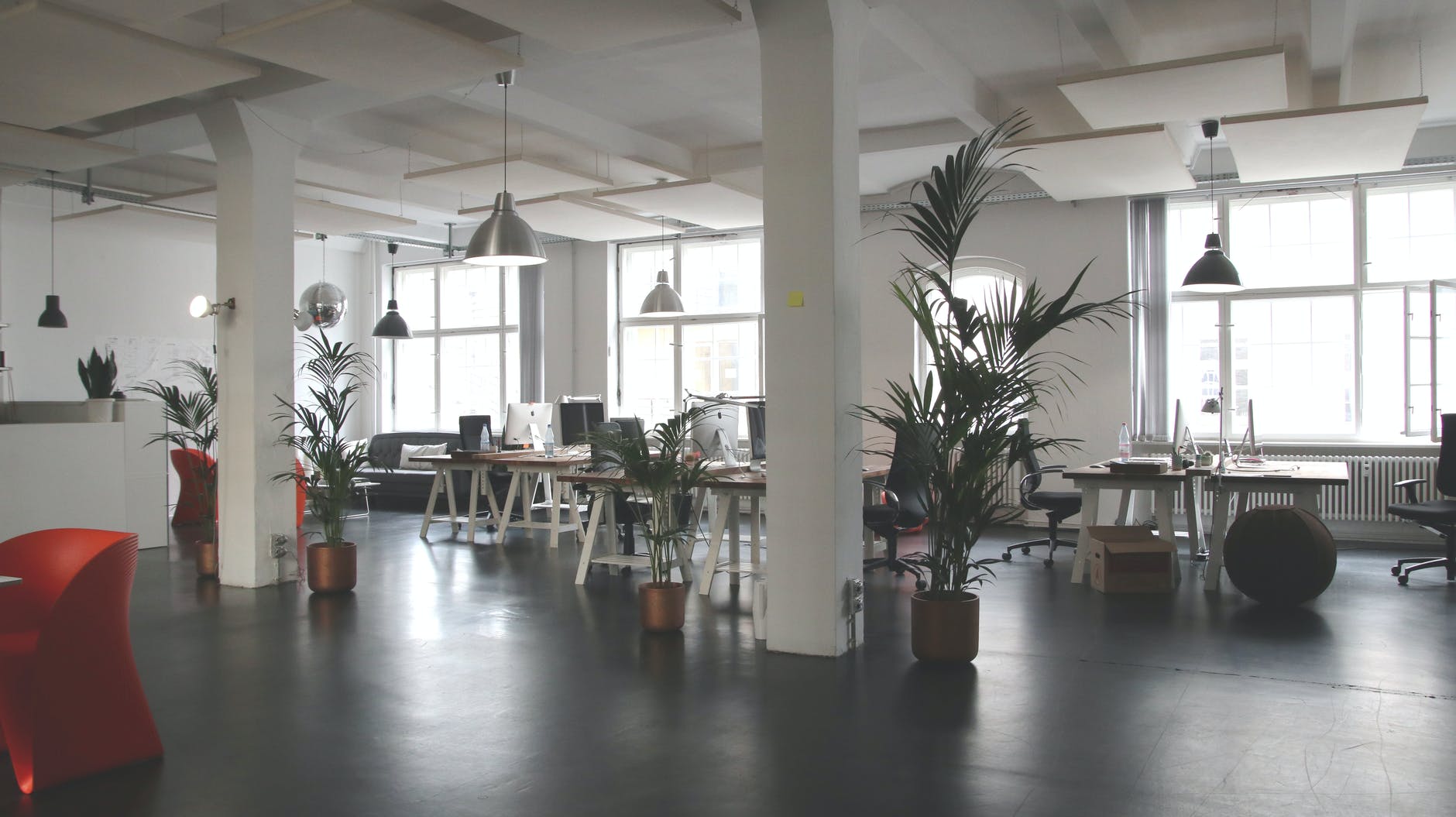
Avoiding Common Pitfalls of Office Interior Design

Photo by Marc Mueller on Pexels.com

Interior design requires a significant amount of creativity, thought, time and effort to produce the desired result. Likewise, your office interior design will greatly depend on the type of business you’re in.

For instance, if you’re in advertising or a creative industry, your workspace can have a more informal design. But, if you’re in law or medicine, the work environment should be more formal.

Either way, there are major pitfalls to avoid so as not to negatively influence your potential clients or your employees’ productivity. Below are the most common office design mistakes to steer clear of.

No Clear Plan

One of the biggest mistakes in office interior design is starting out without a clear plan, which can result in a haphazard, messy and chaotic space. Regardless of the line of work you’re in, the competition will always be tough. So, to stay ahead, you need to have a clear plan and offer the best service there is. Without one, you’re headed for a downfall. Instead, use your foresight and make concessions for future advancements in both technology and design.

Excluding Your Staff

Make sure you consult your staff during your planning stage so you can find out their needs and preference. In that case, you’ll be able to create a functional and comfortable workspace that will optimize and boost their performance. As a current master’s degree in interior and product design teaches, effective interior design only works if it produces an environment that is innovative, practical and adaptable to the complexities of life and work.

Thinking Size Isn’t Important

Consider the size of the interior space to create a workspace that is balanced and pleasant. For example, a small office with chunky furniture will look and feel like an obstacle course, whereas a large office with tiny pieces of furniture will seem vast and formidable. In either of these extremes, you could end up with a work environment that is off-putting to both your staff and your prospective customers.

Mismatching Colors

Color choices have a major influence on the office atmosphere. Sometimes, in an attempt to be original or creative, companies opt for brightly colored cabinets, chairs and carpets. This may be artistic to a point, but if you overdo it, it can be a real eyesore. Instead, it’s best to stick to a neutral color palette to set a formal foundation, and then include two or three shades for added depth and elegance.

Not Being Organized

Clutter never looks professional. And, when you’re trying to maximize your office space, interior design can often be overlooked, which can result in a claustrophobic and messy area. Even in an open layout, try to provide your employees with their own personal space. In particular, glass partitions, doors and windows can be effective, elegant solutions to give workers some separation, while still retaining the open feel.

Meanwhile, with so much technology in offices, hiding the wires is another organizational challenge. These messy wires must be kept out of sight, so you need to find a solution to hide them to achieve a professional look.

Not Considering Machines

Your office can look nice and neat with well-organized and appropriately spaced workstations, and without any visible wires showing. However, with all the technology around — such as servers, scanners and printers — there’s bound to be a lot of heat emitted. And, if the equipment is arranged tightly to maximize the space, this could be a problem. As the workday progresses, a setting like this will create a sweaty and uncomfortable environment, which is certainly a disaster that can be avoided with careful office space planning and ventilation.

Inadequate Lighting

Inadequate lighting — whether it’s too bright or too dark — can cause fatigue, headache, eye strain, irritability and decreased productivity. Therefore, it’s important to implement high-quality lighting in moderation. Specifically, the office should be bright enough to work, but not so bright or dim that makes it difficult for employees to see or concentrate.

It’s also important to consider the color of lighting. For instance, yellow light is effective in creating a formal vibe in conference rooms, but it simply won’t do in an average work environment.

An office interior design should be functional and comfortable so both employees and potential clients feel inspired in the space. By avoiding the pitfalls mentioned above, you can create a work environment that will help your team successfully move forward.

 This article originally appeared on the Commercial Cafe website.

About The Sundance Company                                                       
Established in 1976, The Sundance Company has the experience to help you with your commercial real estate needs throughout the Boise Valley. If your requirements include property management, leasing, real estate development, project planning, construction or space planning then look to us. The Sundance Company has more than 1.5 million square feet of office and industrial space available in prime locations in the Boise metropolitan area. More information is available at www.sundanceco.com or 208.322.7300.

The Spark of Invention

About The Sundance Company
Established in 1976, The Sundance Company has the experience to help you with your commercial real estate needs throughout the Boise Valley. If your requirements include property management, leasing, real estate development, project planning, construction or space planning then look to us. The Sundance Company has more than 1.5 million square feet of office and industrial space available in prime locations in the Boise metropolitan area. More information is available at www.sundanceco.com or 208.322.7300.

How To Find The Right Talent For Your Business

Photo by Sora Shimazaki on Pexels.com

​A great business is built on talent, but talent can sometimes be hard to find. Everyone knows that your organization is only as good as the people you bring on, but the million-dollar question is exactly how you do that?

I’m always happy to talk to more and more people on how they onboard the best employees on their team, and why finding the right talent is critical to their business. One such person, I​ recently spoke with is French record producer Jimmy Boss. Jimmy finds and nurtures fresh talent through his Rap Talent acquisition platform – Outsiders. In Jimmy’s words, “It’s all about finding talent that not only fits with your organization but also fits with your goals.” He adds, “That is how you scale because you find talent who fits into the bigger picture.” Jimmy uniquely understands the role a great team plays when scaling an organization. He discussed three ways to find the right talent that I’m glad to share below.

1​. Find people who are a good culture fit

Culture is incredibly important as it is what fuels a business. “Culture is the backbone of every organization,” states Jimmy. “You want to ensure that every person you bring on board aligns with your vision. One negative person can bleed that energy through the entire organization holding everyone back.” Before you extend an offer, make sure you see that person upholding your business goals. 

2​. Offer a decent package

Research what other companies are offering similar candidates and offer something comparable. “Good recruiters are constantly on the hunt for top talent, and if you’ve got it, you want to make sure you keep it,” says Jimmy. “Offering decent compensation is a big part of retaining your best employees.” No one wants to hire someone and lose them to a competitor, so ensure that you are hanging onto your talent once you bring them on board.

3​. Set clear goals

Sometimes new people can get lost in the shuffle because everyone already understands what is going on. Make sure your new hires are in the know and supported in their new roles. “The whole point of hiring is to grow your business and meet the goals you set,” explains Jimmy. “If you make those goals clear from the get-go, no time will be lost.”

Scaling your business might be challenging, and the hiring process can be daunting, but with a few tips in mind, you can find people with the shared dedication to bring your vision to life. 

 This article originally appeared on the Entrepreneur website.

About The Sundance Company                                                      
Established in 1976, The Sundance Company has the experience to help you with your commercial real estate needs throughout the Boise Valley. If your requirements include property management, leasing, real estate development, project planning, construction or space planning then look to us. The Sundance Company has more than 1.5 million square feet of office and industrial space available in prime locations in the Boise metropolitan area. More information is available at www.sundanceco.com or 208.322.7300.
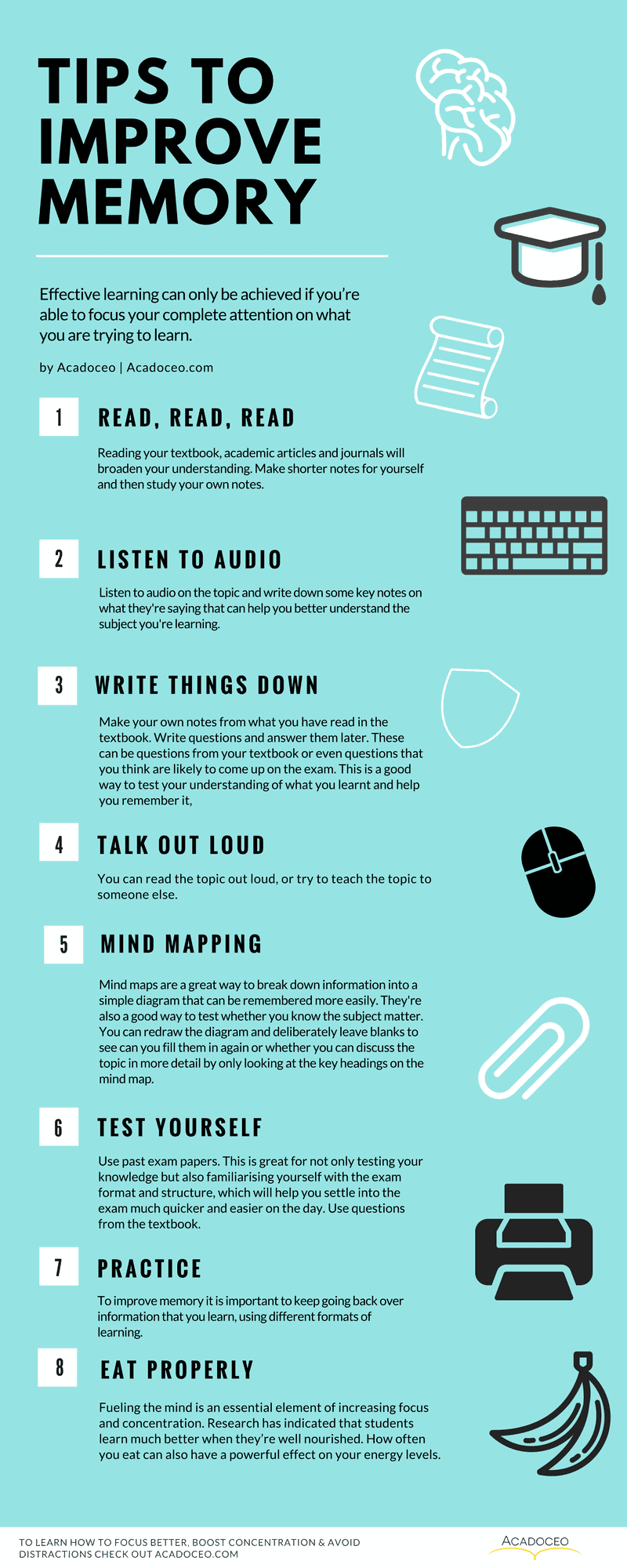
How To Improve Your Memory

About The Sundance Company
Established in 1976, The Sundance Company has the experience to help you with your commercial real estate needs throughout the Boise Valley. If your requirements include property management, leasing, real estate development, project planning, construction or space planning then look to us. The Sundance Company has more than 1.5 million square feet of office and industrial space available in prime locations in the Boise metropolitan area. More information is available at www.sundanceco.com or 208.322.7300.
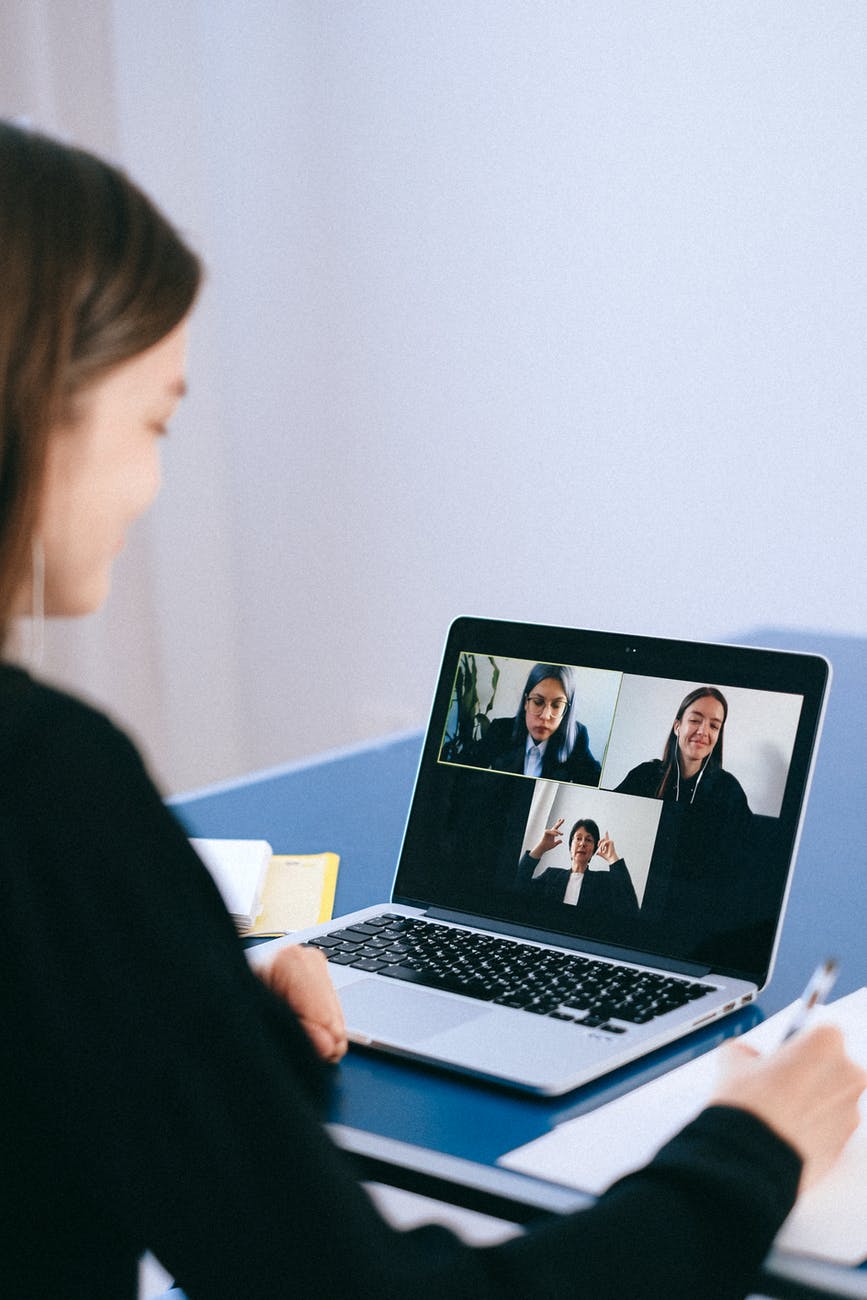
How To Improve Communication While Working From Home

Photo by Anna Shvets on Pexels.com

Whether it’s differences in time zones, poor internet connections or a lack of experience with online platforms, a variety of challenges can occur. Fortunately, there are a few simple ways to overcome communication challenges while working from home:

1. Practice New Tools

One major challenge of online communication is being unfamiliar with the tools required. While many of your employees may be somewhat familiar with video conferencing solutions, they might not be using them to their full potential.

For example, basic video conferencing etiquette like instructing employees to mute the line when they’re not speaking can make calls much simpler. Likewise, more specific skills — such as sharing screens — can make it easier for people to explain their point or question. Additionally, don’t expect everyone to be at the same level of familiarity with these tools initially, and provide training or resources where possible. It’s a small thing, but it will make a big difference.

2. Keep a Schedule, But Be Flexible

Not everyone can work at the same time. But, having a regular schedule can help avoid any problems that might otherwise occur. Specifically, if your colleagues know when you’re available, they can prioritize any urgent requests during those hours. Similarly, they also won’t become frustrated at a lack of response outside of those times.

Scheduling in this way is particularly helpful for employees with diverse responsibilities. For example, some employees interact with contacts across multiple time zones or have other commitments outside of work. Therefore, being flexible will maintain high employee morale — as long as people are clear about when they’re available.

3. One Size Doesn’t Fit All

Naturally, people have different preferences regarding communication. Some flourish in a video call, while others prefer text-based communication. And, we all know those team members who do everything by email or instant messaging. So, to get the best out of your employees, determine their preferences and strengths and work with them.

For example, video calls can be stressful for many people and the lack of body language can be challenging. At the same time, others may struggle to interpret tone over email and, as such, may prefer the ease of a phone call.

Consequently, working with people — and not against them — is the best way to foster good communication. What’s more, being considerate in this way will be particularly appreciated during the present crisis, when maintaining good mental health is especially difficult.

4. Address Issues Early

Don’t let small problems develop into larger ones. For instance, figure out how to improve call quality before that all-staff meeting. Or, resolve a minor misunderstanding between two individuals before it becomes a team problem. There are enough challenges with online communication as it is. Make sure you don’t add to them!

5. Assume the Best

It’s easy to misinterpret tone through text — especially if you’re stressed or unfamiliar with the person sending the message. However, assuming the best of people can help make communication easier.

If someone sends an email that could be taken two ways — one positive and one negative —try to err on the side of positive. Being generous in your approach can help reduce unnecessary conflict.

6. Expect New Challenges

Expect the unexpected and understand that there will always be new challenges. For example, some people may have been using VoIP at home for years, while others are just now setting it up. Similarly, people’s phone lines are bound to drop in meetings and their internet might go down for a couple of days.

At the same time, coworkers might have children who are now at home, too, or be working in a small apartment with roommates. Being considerate of these challenges will allow your employees to tell you what they need and help them do their best work.

7. Check in Regularly

Regularly checking in on your colleagues is essential. In particular, if you’re managing remote workers, scheduling time for one-on-ones is a good way to confirm that they’re thriving in their new online workplace. These calls also give you a chance to work out some solutions if they’re not.

If you’re not managing a team, checking in with your colleagues is still worthwhile — especially if you’re working on a project together. Strong collaboration is a recipe for success across industries and organizations.

8. Make Time for Conversation

Your communication doesn’t have to be all focused-on work, though. Talking about non-work topics helps teams’ bond and ensures that employees feel valued for more than just their output. This is even more important in stressful times like the pandemic.

As an example, a bit of virtual office gossip can help reduce friction and prevent accidental conflicts. Consider allowing time at the start of a meeting for a bit of a catch-up or check in via instant messaging. However, you do it, just make sure non-work conversation is allowed and, better yet, encouraged.

 This article originally appeared on the Commercial Cafe website.

About The Sundance Company                                                      
Established in 1976, The Sundance Company has the experience to help you with your commercial real estate needs throughout the Boise Valley. If your requirements include property management, leasing, real estate development, project planning, construction or space planning then look to us. The Sundance Company has more than 1.5 million square feet of office and industrial space available in prime locations in the Boise metropolitan area. More information is available at www.sundanceco.com or 208.322.7300.
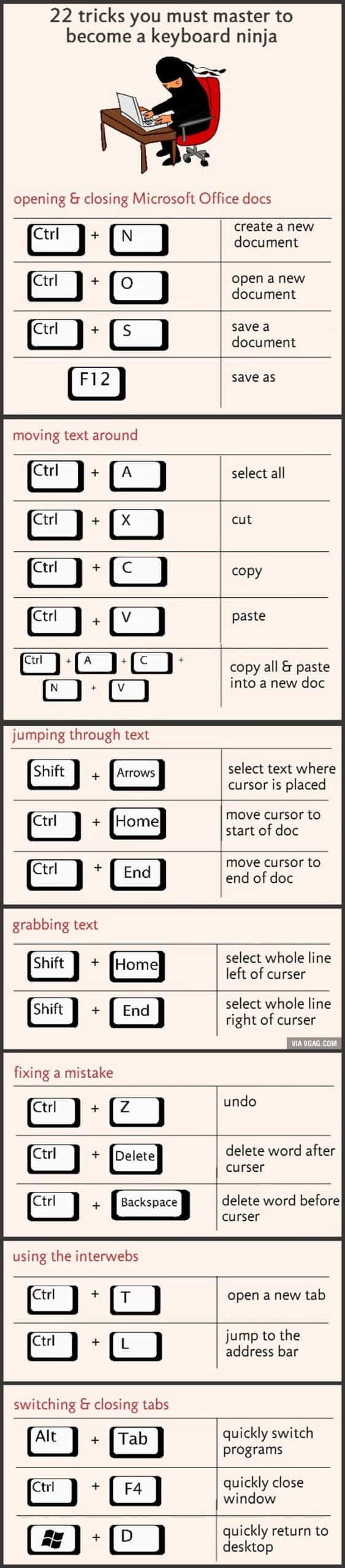
Keyboard Tricks for Busy People

About The Sundance Company                                                      
Established in 1976, The Sundance Company has the experience to help you with your commercial real estate needs throughout the Boise Valley. If your requirements include property management, leasing, real estate development, project planning, construction or space planning then look to us. The Sundance Company has more than 1.5 million square feet of office and industrial space available in prime locations in the Boise metropolitan area. More information is available at www.sundanceco.com or 208.322.7300.

Tips for Healthy Sleep Habits

About The Sundance Company                                                      
Established in 1976, The Sundance Company has the experience to help you with your commercial real estate needs throughout the Boise Valley. If your requirements include property management, leasing, real estate development, project planning, construction or space planning then look to us. The Sundance Company has more than 1.5 million square feet of office and industrial space available in prime locations in the Boise metropolitan area. More information is available at www.sundanceco.com or 208.322.7300.

Post-Pandemic: Office Space Probably Will Be More Efficient

Photo by cottonbro on Pexels.com

People are starting to slowly trickle back to office buildings, but for many companies, the question of how much space they will need in the future is still under discussion.

Some industry players have theorized that corporate downsizing is inevitable now that remote work technologies have been widely adopted. Others say the need for office space remains, especially in the long term.

Companies that have done an office lease over the last 10 years, regardless of industry, have mostly opted to make their space denser and more efficient, Hicks Ventures principal Patrick Hicks said.

“That means less individual work area, more collaborative space, hoteling or whatever you want to call it. So, with this new thing, I would say 90% of them even will have to make their footprint bigger,” Hicks said during a Bisnow webinar.

Hicks said he would be shocked if office occupancies at his properties fell by even 5% from where they were prior to the coronavirus pandemic. Instead, he predicts space usage is more likely to stay the same as an eventual vaccine comes into play and more people return to the office.

Gensler co-Managing Director Stephanie Burritt said she also thinks the overall square footage of most corporate offices will look very similar in the future. The main focus for companies will be reallocating the space and how it functions to provide more distancing.

“It feels like a breakeven right now, what my gut is also telling me,” Burritt said.

CBRE Executive Vice President Jon Lee said that anecdotally, he doesn’t have any clients of significant size that are expanding their footprint.

“Definitely trimming on the margin or reallocating, but I think it’s going to be flat, is my guess,” Lee said.

The economic uncertainty of the pandemic has forced many companies to hold off on deploying capital or making any major changes. But lease renewals are inevitably going to come up during 2021, and many firms will be forced to make a decision.

That has already begun to happen, according to Hicks. Now that office occupancy has returned to about 50% across his portfolio, tenants are more interested in planning for the future.

“Now they’re finally sort of addressing it, as opposed to kicking the can to the last minute,” Hicks said.

Transwestern Senior Managing Director Doug Little said that at the moment, the uncertainty is leading to shorter renewal lease terms.

“While they want to stay in the building, for the most part, we’re not seeing the length of term go out as much as we have in the past. I’ve seen as much as five and 10 [years]. You see more of a shorter-term extension, but we’re hopeful that will change,” Little said.

This article originally appeared on the Bisnow website.

About The Sundance Company                                                      
Established in 1976, The Sundance Company has the experience to help you with your commercial real estate needs throughout the Boise Valley. If your requirements include property management, leasing, real estate development, project planning, construction or space planning then look to us. The Sundance Company has more than 1.5 million square feet of office and industrial space available in prime locations in the Boise metropolitan area. More information is available at www.sundanceco.com or 208.322.7300.

World’s Most Contagious Falsehoods

The Sundance Company                                                                
Established in 1976, The Sundance Company has the experience to help you with your commercial real estate needs throughout the Boise Valley. If your requirements include property management, leasing, real estate development, project planning, construction or space planning then look to us. The Sundance Company has more than 1.5 million square feet of office and industrial space available in prime locations in the Boise metropolitan area. More information is available at www.sundanceco.com or 208.322.7300.

The Role of Technology in Future Workplaces

Photo by Sora Shimazaki on Pexels.com

As we look to the future of the workplace, and more specifically, the office experience, post-pandemic, it’s clear that technology will play a pivotal role in what these spaces will offer, look like, and how they will operate. Both in-office systems specifically geared towards collaboration, as well as our own personal devices that we use daily, are going to become key tools in not only drawing employees back into the office, but also in ensuring employee safety and well-being. These systems will also be essential to preserving productivity and efficiency in the office in a time when companies have realized that fully remote operations are a possibility.

BYOD: Bring Your Own Device

COVID-19 has led to more technology enablement than ever before, by necessity. As a result, personal mobile devices will undoubtedly become more integrated into the day-to-day workplace experience. Individual users will not only use them to communicate, but to connect with smart systems built within the workplace. Through this integration, personal devices will aid in securing a conference room or a desk space, ordering food for a meeting—really anything needed to prep for a big meeting can now be accomplished from the palm of your hand. These applications will save employees time as well while increasing their productivity.

Furthermore, with the newest office technologies, employees can use their phones to scan into the office, activate, and unlock necessary AV equipment, access their destination dispatch for building elevators, receive important real-time announcements, check real-time parking space availability, and use them for campus wayfinding capabilities—all things that would have required employees to touch surfaces in the past. The seamless way that personal devices dovetail with scheduling software that already exists in the marketplace makes these innovations a no-brainer as people start to transition back to the in-person office.

As wellness continues to be top of mind both at home and in the workplace, personal devices can also be used as an important tool as employees’ well-being is top priority now more than ever. Notifications can be sent out to employees via their phone reminding them to stand up and stretch, take a five-minute mental break, as well as to notify staffers about any other wellness initiatives being implemented throughout the office. This system can also be used to notify employees about the status of office sanitation protocols, giving them much needed peace of mind during a stressful time.

Seamless Video Conferencing

Both on our personal devices and those that are larger, collaborative video technology has been one of the biggest heroes of the pandemic era. Hardly a day goes by where we are not interfacing on Zoom, Microsoft Teams, Google Meet, or any of the other various conferencing technologies on the market. As people return to the office, enhanced meeting capabilities are going to be of utmost importance. Seamless conferencing is crucial, as is being able to key in people who are not in the office when you are. Offices need to transform into a virtual-in-person hybrid without missing a beat—a huge cultural shift aided in large part by workplace technology.

Effective workplaces now and in the future need efficient collaboration technologies that foster seamless conversations both on-site and at home. Ideally, employees will have access to virtual conferencing that is nearly identical to what they have at home, presenting minimal technical difficulty when dialing in. Mirroring the work-from-home experience not only decreases potential technical issues while allowing for attendees to seamlessly be in the office or working remotely while collaborating with one another without batting an eye.

Sustainability and Wellness

Technology also plays an important role in workplace sustainability. Strategically implemented smart systems can gather important data on green performance, informing company decisions for a more environmentally friendly future. Furthermore, technology can be used to easily adjust HVAC filtration and air flow, control sensors improve comfort and operational efficiency and moderate other systems that contribute to an office’s carbon footprint. Using 3D digital replicas of workspaces can create impactful sensory data that shows real-time visualization and analysis of facilities and stores static construction and manufacture documentation on a single source. These green “digital twins” can be instrumental in helping make important decisions about the workspace’s future.

In addition to valuable sustainability initiatives, technology also contributes to important wellness systems that are integral to the current and future employee experience. For example, lighting that mimics natural light patterns to regulate workers’ circadian rhythms, and tech that monitors various occupancy sensors and wall switches, alerting employees when touch becomes too frequent so they can calibrate accordingly. Sensors to measure data for temperature, humidity, CO2, VOC, and sound levels that are displayed on common area digital wellness dashboards promote a culture of care and wellness. As physical and mental health remain priorities for employees and their employers, having a workplace that can respond quickly and with minimal touch to these needs seamlessly will be an essential factor in a long-lasting, sustainable workplace moving forward.

Looking to the Future

The way we work is constantly changing and technology plays a pivotal role in that evolution. The workplace of the future, whatever that may ultimately look like, will inevitably be driven by people and fueled by technology—and with factors like COVID-19 making employers think of new ways to navigate the workplace, having technological solutions that work seamlessly with the office of the future is more important than ever. The workspaces of today and tomorrow must be designed around a user-centric approach—one that prioritizes and invests in the employees’ needs and enables individual productivity and efficiency. Technology and physical spaces must enter into a symbiotic relationship in order to deliver the best experience for both the employee and the company as a whole.

This article originally appeared on the Work Design website.

About The Sundance Company                                                      
Established in 1976, The Sundance Company has the experience to help you with your commercial real estate needs throughout the Boise Valley. If your requirements include property management, leasing, real estate development, project planning, construction or space planning then look to us. The Sundance Company has more than 1.5 million square feet of office and industrial space available in prime locations in the Boise metropolitan area. More information is available at www.sundanceco.com or 208.322.7300.