
How To Focus On What’s Important, Not Just What’s Urgent

low angle shot of a child held by woman and man on on each hand walking on an unpaved pathway outdoors
Photo by Caleb Oquendo on Pexels.com

Do you get to the end of the day and feel that you’ve met your most pressing deadlines but haven’t accomplished anything that’s fundamentally important? You’re hardly alone. In a series of studies recently published in the Journal of Consumer Research, people typically chose to complete tasks that had very short deadlines attached to them, even in situations in which tasks with less pressing deadlines were just as easy and promised a bigger reward.

It’s natural to want to get deadline-driven tasks squared away and off your mental to-do list. A paradox many people face is that our most meaningful tasks are less likely to have deadlines than tasks that are relatively unimportant. Your important priorities might relate to:

  • enacting your values (for example, volunteering or spending more time with your children)
  • achieving public recognition (getting invited to sit on industry panels or writing a book)
  • improving vital skills (upping your knowledge of statistics or learning a new language)
  • averting disasters (scheduling an annual checkup at the doctor or creating a crisis management protocol for your business)

If you’re like most people, these priorities slip to the back of your mind while you work on low-importance, time-specific tasks, such as booking a hotel room for a conference, clearing out your email inbox, or writing a monthly newsletter.

So, what can you do? I’ve put together a list of practical strategies and tips but know that none of these suggestions is going to lead to your making perfect choices. Aiming for perfection is what causes people to stay stuck. Instead, implement strategies that will incrementally move you in the right direction but don’t require much effort.

Schedule Important Tasks, and Give Yourself Way More Time Than You’ll Need

Research shows that scheduling when and where you’ll do something makes it dramatically more likely that the task will get done.

For very important and long-avoided tasks, I like a strategy that I call “clearing the decks,” which means assigning a particular task to be the only one I work on for an entire day. I recently used this strategy to get myself to set up a password manager, something I’d been putting off for literally years.

Unfamiliar but important tasks often have a learning curve that makes how much time they’ll take to complete unpredictable. Working on them often feels more clumsy than efficient, which is another subtle factor in why we don’t do them. The “clear the decks” strategy of allowing yourself a full day, even when that seems excessive, can be useful in these cases.

So that you don’t put off important personal care, try having a designated time slot once a week that’s available for you to make a personal appointment during work hours, should this be necessary. This can help ensure you get medical issues investigated early. Most weeks the slot will go unused, but keep it walled off for when the need arises.

Isolate the Most Impactful Elements of Important Tasks

Big tasks often require incremental progress. Coming back to the password manager example, my initial goal had been to create new, strong, and unique passwords for all my online accounts, but this wasn’t absolutely necessary. It made the most sense to start with my 10 to 20 most valuable accounts.

If you habitually set goals so lofty you end up putting them off, try this: When you consider a goal, also consider a half-size version. Mentally put your original version and the half-size version side by side and ask yourself which is the better (more realistic) goal. If your task still feels intimidating, shrink it further until it feels doable. You might end up with a goal that’s one-fourth or one-tenth the size of what you initially considered but that’s more achievable — and once you start, you can always keep going.

Anticipate and Manage Feelings of Anxiety

Many important tasks involve tolerating thinking about things that could go wrong, which is anxiety-provoking. Examples: making a will, investigating a lump, succession planning for your business, actually reading your insurance policies, or creating that crisis management plan.

Even when tasks don’t involve contemplating catastrophes, those that have the potential for large payoffs in the future commonly involve tolerating anxiety. General examples of important but potentially anxiety-provoking tasks include: developing new friendships, doing something challenging for the first time, asking for what you want, having awkward conversations, facing up to and correcting mistakes, and chipping away at large, multi-month tasks where you need to tolerate fluctuating self-confidence and doubt throughout the project.

Broadly speaking, working on important things typically requires having good skills for tolerating uncomfortable emotions. Here’s a personal example: Reading the work of writers who are better than I am is useful for improving my skills, but it triggers envy and social comparison. Acknowledging and labeling the specific emotions that make an experience emotionally challenging is a basic but effective step for reducing those emotions.

You’ll be better able to pursue goals that involve going outside your psychological comfort zone if you have top-notch skills for managing your thoughts and emotions.

Spend Less Time on Unimportant Tasks

Unimportant tasks have a nasty tendency of taking up more time than they should. For example, you might sit down to proofread an employee’s report — but before you know it, you’ve spent an hour rewriting the whole thing. In the future, you might decide to limit yourself to making your three most important comments on any piece of work that’s fundamentally acceptable or give yourself a time limit for how long you’ll spend providing notes.

Having strategies for making quicker decisions can help too. When you’ve got a pressing decision to make, it can be better to make a quick decision than a perfect one that takes more time.

Prioritize Tasks That Will Reduce Your Number of Urgent but Unimportant Tasks

In modern life, it’s easy to fall into the trap of being “too busy chasing cows to build a fence.” The sorts of scenarios you most want to avoid are fixing the same problems over and over or giving the same instructions repeatedly. To overcome a pattern of spending all day “chasing cows,” you can outsource, automate, batch small tasks, eliminate tasks, streamline your workflow, or create templates for recurring tasks. Look for situations in which you can make an investment of time once to set up a system that will save you time in the future, such as setting up a recurring order for office supplies rather than ordering items one at a time as you run out.

One specific strategy I cover in The Healthy Mind Toolkit is retraining the “decision leeches” in your life. Decision leeches are people who defer decisions to you. For example, you might ask someone else to decide, but instead of doing it, they email you a list of options for you to look at, putting the responsibility back on you. Instead of automatically answering the person, ask them to make a clear recommendation.

Pay Attention to What Helps You See (and Track) the Big Picture

When we’re head-down in the grind, it’s hard to have enough mental space to see the big picture. Pay attention to what naturally helps you do this. Something that helps me is travel, especially taking flights alone. There’s nothing like a literal 10,000-foot view to give me a clearer perspective on my path. Spreadsheets help me see the big picture too. As much as I hate bookkeeping and taxes, doing them helps me pay attention to and optimize my overall situation. Taking more breaks can help stop you going down the rabbit hole of spending a lot of time on unimportant things without realizing that’s what you’re doing.

Another thing that helps keep me focused on my important goals is catching up with colleagues I see every six months or so. Invariably this involves giving each other an update on what we’ve been doing and what we’re trying to get done. Likewise, when it comes to money, there are certain personal finance bloggers I like to read from time to time to help me stay on track.

Tracking your time use can help too, but the downside is that tracking itself takes time and willpower. I use the RescueTime app to effortlessly track how much time I’m spending on different websites (including Gmail). Then I take a quick glance at the report each week.

Whatever helps you see the big picture, don’t skip those things. Also, give yourself time after those activities to figure out how you’re going to translate your insights into specific plans and actions.

If you’re struggling with prioritizing the important over the urgent, don’t be too hard on yourself. The number of deadlines and decisions we face in modern life, juxtaposed with the emotionally (and cognitively) challenging nature of many important tasks, makes this struggle an almost universal one. I’ve written entire books on how to focus on the big picture and stop self-sabotaging, and I still find it difficult. I consider success as taking my own advice at least 50% of the time! This is a reasonable rule of thumb that you might adopt, too.

Portions of this article originally appeared on the Harvard Business Review website.

The Sundance Company                                                                
Established in 1976, The Sundance Company has the experience to help you with your commercial real estate needs throughout the Boise Valley. If your requirements include property management, leasing, real estate development, project planning, construction or space planning then look to us. The Sundance Company has more than 1.5 million square feet of office and industrial space available in prime locations in the Boise metropolitan area. More information is available at www.sundanceco.com or 208.322.7300.
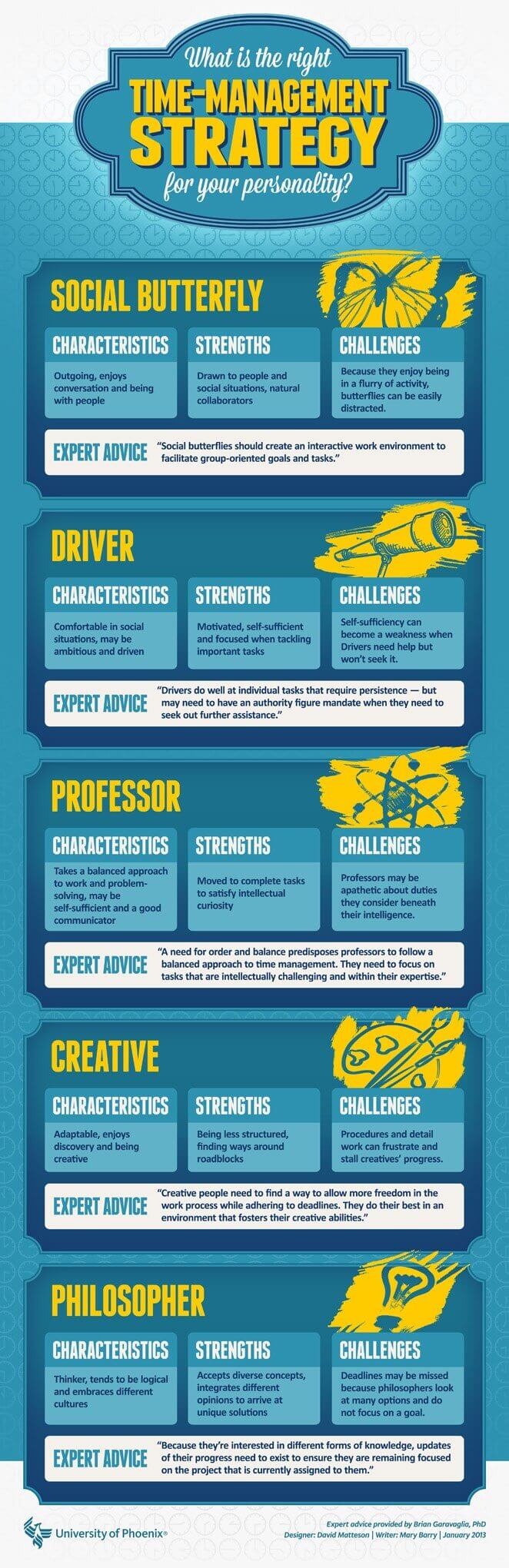
 

Time Management Tips For Your Personality

5_time-management-tips

The Sundance Company                                                      
Established in 1976, The Sundance Company has the experience to help you with your commercial real estate needs throughout the Boise Valley. If your requirements include property management, leasing, real estate development, project planning, construction or space planning then look to us. The Sundance Company has more than 1.5 million square feet of office and industrial space available in prime locations in the Boise metropolitan area. More information is available at www.sundanceco.com or 208.322.7300.

Podcasts That CRE Professionals Should Follow

woman wearing purple dress sitting on chair near window
Photo by Christina Morillo on Pexels.com

Last year apto published 6 commercial real estate podcasts you should be following. While these are still great ones to give a listen, they’ve rounded up four more that we think commercial real estate professionals would benefit from.

From interviews with commercial real estate brokers and tech executives on the state of the industry to best practices for CRE investing, to useful and unique sales tactics, we hope there’s something on this list for everyone.

  1. Commercial Real Estate with a Little Attitude

This podcast is hosted by Duke Long, owner, and broker of The Duke Long Agency. Long has delivered numerous presentations and participated in/hosted panel discussions about commercial real estate technology, communication, marketing, branding, data, content creation, and digital media. In Commercial Real Estate with a Little Attitude, he sits down with prominent brokers and various CRE tech executives to discuss their perspectives on the state of the industry. But beware! This podcast is not for the faint of heart or something you’d want your children overhearing. It’s got attitude and F-bombs galore but is sure to get you thinking and talking.

  1. The Apartment Building Investing Podcast

Entrepreneur and author Michael Blank shares what works and what doesn’t in the world of commercial real estate investing. And with a new episode released every week, there are plenty of secrets to be learned.  Blank has been investing in residential and multifamily real estate since 2005 and began syndicating deals in 2010. His main mission? To show people how they can become financially free in the next three to five years (or sooner) by doing their first apartment building deal.

  1. We Study Billionaires

This podcast comes from the Investor’s Podcast Network. While not specific to commercial real estate, it’s no secret that CRE brokers are financially motivated and, who doesn’t dream of becoming a billionaire? Hosts Preston Pysh and Stig Brodersen study self-made billionaires like Warren Buffet and Ray Dalio and share ways you can adopt their processes and tactics, especially when it comes to investing and the stock market. And if you aren’t into investing now (or ever), the content is at least inspirational and motivating.

  1. The Salesman Podcast

Hosted by Will Barron, The Salesman Podcast is the world’s most downloaded B2B sales and selling podcast. While commercial real estate is all about relationships, every broker must be at his/her core a good salesman/saleswoman. Whether you’re prospecting for new business, have been struggling to close the same deal for two years, or are trying to think of something witty and eye-catching to say in an email to an old client, this podcast has something for you.  Barron interviews the world’s leading influence, body language, psychology, and sales experts to give you the information you need to close more deals, make more money, and really thrive in sales.

Portions of this article originally appeared on the apto website.

The Sundance Company                                                                
Established in 1976, The Sundance Company has the experience to help you with your commercial real estate needs throughout the Boise Valley. If your requirements include property management, leasing, real estate development, project planning, construction or space planning then look to us. The Sundance Company has more than 1.5 million square feet of office and industrial space available in prime locations in the Boise metropolitan area. More information is available at www.sundanceco.com or 208.322.7300.

 

What Would Happen If You Didn’t Sleep?

what-would-happen-if-you-didnt-sleep-700x2988

About The Sundance Company                                                      
Established in 1976, The Sundance Company has the experience to help you with your commercial real estate needs throughout the Boise Valley. If your requirements include property management, leasing, real estate development, project planning, construction or space planning then look to us. The Sundance Company has more than 1.5 million square feet of office and industrial space available in prime locations in the Boise metropolitan area. More information is available at www.sundanceco.com or 208.322.7300.

 

The Crucial Piece Of Advice TED Gives To Nervous Speakers

woman standing in front of sitting people
Photo by rawpixel.com on Pexels.com

ng to assume that an entire crowd is behind you, TED curator Chris Anderson advises checking around for a few friendly faces. “Early on in the talk, look out for faces that seem sympathetic,” he writes in TED Talks. “If you can find three or four in different parts of the audience, give the talk to them, moving your gaze from one to the next in turn. Everyone in the audience will see you connecting and the encouragement you get from those faces will bring you calm and confidence.”

And if you trip over a few lines, so what? Anderson suggests it might even work to your benefit.

“Audiences embrace speakers who are nervous, especially if the speaker can find a way to acknowledge it. If you flub or stutter a little in your opening remarks, it’s fine to say, ‘Oops, sorry, a little nervous here,” he advises, extolling the power of vulnerability. “Your listeners will be rooting for you even more.”

Portions of this article originally appeared on the Quartz At Work website.

The Sundance Company                                                                
Established in 1976, The Sundance Company has the experience to help you with your commercial real estate needs throughout the Boise Valley. If your requirements include property management, leasing, real estate development, project planning, construction or space planning then look to us. The Sundance Company has more than 1.5 million square feet of office and industrial space available in prime locations in the Boise metropolitan area. More information is available at www.sundanceco.com or 208.322.7300.

 

Social Media Shortcuts You Need To Know

2019-social-media-keyboard-shortcut-cheat-sheet

About The Sundance Company                                                      
Established in 1976, The Sundance Company has the experience to help you with your commercial real estate needs throughout the Boise Valley. If your requirements include property management, leasing, real estate development, project planning, construction or space planning then look to us. The Sundance Company has more than 1.5 million square feet of office and industrial space available in prime locations in the Boise metropolitan area. More information is available at www.sundanceco.com or 208.322.7300.

 

Creating Collaborative Workspaces To Attract Top Talent

group of people holding message boards
Photo by rawpixel.com on Pexels.com

The millennial workforce is often tagged with the misconception of being easily distracted and unmotivated. Thus, a challenge which most businesses face in unlocking their true potential. They yearn autonomy, and if one applies the paradigm to the way they like to work, it becomes quite obvious why they love the idea of coworking spaces.

Inherently collaborative and flexible by nature, coworking has observed many new trends and unique practices over the years. They are the new hub for India’s ever-dynamic millennials who seek an adequate/ ideal spectrum of work and play amalgamation. Organizations today are striving to make their workplace the ideal environment for employees to flourish, and coworking spaces have proved to be an ideal propeller in workspace productivity and collaboration. Led by the emerging Gen Z population, the workforce of India has gradually evolved and so have workspaces where desks are no longer limited to its primary utility and every employee desires a holistically driven workplace. With a relatively conducive working environment in place, modern offices in the form of coworking spaces are more responsive to workers’ needs and are not confined to physical locations amidst emerging mobility solutions provided by leading players in the segment.

Design

Collaborative workspaces are tastefully designed to cater to the needs of employees that range from millennials to Gen Z. They have a strong aversion to being confined to a desk or cubicle, therefore more open-planned layouts with flexible activity-based settings, break-out zones, meeting pods & terrace cafeterias fostering conversations over coffee & food are hard to miss at coworking spaces. Shared workspaces fitted with activity-based settings allow for greater collaboration and alternate meeting/working points other than one’s work desk. In fact, collaboration areas & relaxed meeting lounges allow for stimulated informal interactions that cater to the social needs of the employees. Biophilic designs, indoor plants & vertical gardens help bring a bit of nature indoors allowing the millennial mind to not feel trapped within the confines of office space.

Collaboration

In terms of perception and functionality, coworking is largely synonymous to collaboration. People share opinions and formulate opinions basis their continuous interactions with other colleagues – encouraging a highly open environment. The meaning may also come from working in a culture where it is the norm to help each other out, and there are many opportunities to do so; the variety of workers in the space means that co-workers have unique skill sets that they can provide to other community members. People from different aspects of life, come together to work under the same roof. People with varied thoughts have varied ideas. Sometimes people in a coworking environment collaborate for out of the box thinking and results. These thoughts are then transformed into an end product which is only possible by great minds thinking differently. The growing trend of start-ups benefit majorly from such collaborations, which otherwise is not possible.

Where Work Meets Life

According to a Harvard Business School survey, a whopping 94% of working professionals reported working more than 50 hours per week and nearly half said they worked more than 65 hours per week. With the complexity of work increasing, the work hours are no more rigid. Hence it is vital to have an environment that prevents burnouts. Socializing, various activities across the floor, music and quirky ambience provide an environment that is otherwise missed out on when buried in work. A perfect blend of work-life balance is achieved whilst increasing the productivity of employees. Furthermore, People who use coworking spaces see their work as meaningful. According to Harvard Business Review, the combination of a well-designed work environment and a well-curated work experience are part of the reason why people who co-work demonstrate higher levels of thriving than their office-based counterparts.

Technology

Millennials today are looking for high quality, high-speed connectivity, reliable and covetable products at work and are already shaping office spaces today. Laptops and smartphones in the near future will transform into voice-activated assistant, wearable technology, including wearable glasses, embedded chips, and wrist devices connected with the Internet of Things (IoT), ensuring the seamless connection of work surfaces and individuals. Video technology and connectivity speed will ensure real presence without travel. Artificial intelligence will in fact even corroborate furniture shape, size, and use as per user accumulated data.

Bringing the External Stimulant

The new generation is passionate about social causes that benefit the society at large and want to be associated with organizations that are not only customer-oriented but also have a social mission. To the extent that millennials can shift their brand loyalty if they feel a brand has a genuine commitment towards social causes. Coworking spaces are cognizant of the fact that being attached to a social cause aids the greater sense of connecting to a workplace. Realizing that millennials and Gen Z form a large part of the coworking community, organizations are now not only focusing on charity but are also utilizing technology to track the impact caused and communicate this to them effectively.

Shared workspaces are enjoying unprecedented success in the past few years and are slated to enjoy uninterrupted growth with trends such as design, collaboration, technology, charity, work-life balance at its core so as to the ideal choice for the dynamic new-age workforce.

Portions of this article originally appeared on the Entrepreneur website.

About The Sundance Company                                                      
Established in 1976, The Sundance Company has the experience to help you with your commercial real estate needs throughout the Boise Valley. If your requirements include property management, leasing, real estate development, project planning, construction or space planning then look to us. The Sundance Company has more than 1.5 million square feet of office and industrial space available in prime locations in the Boise metropolitan area. More information is available at www.sundanceco.com or 208.322.7300.
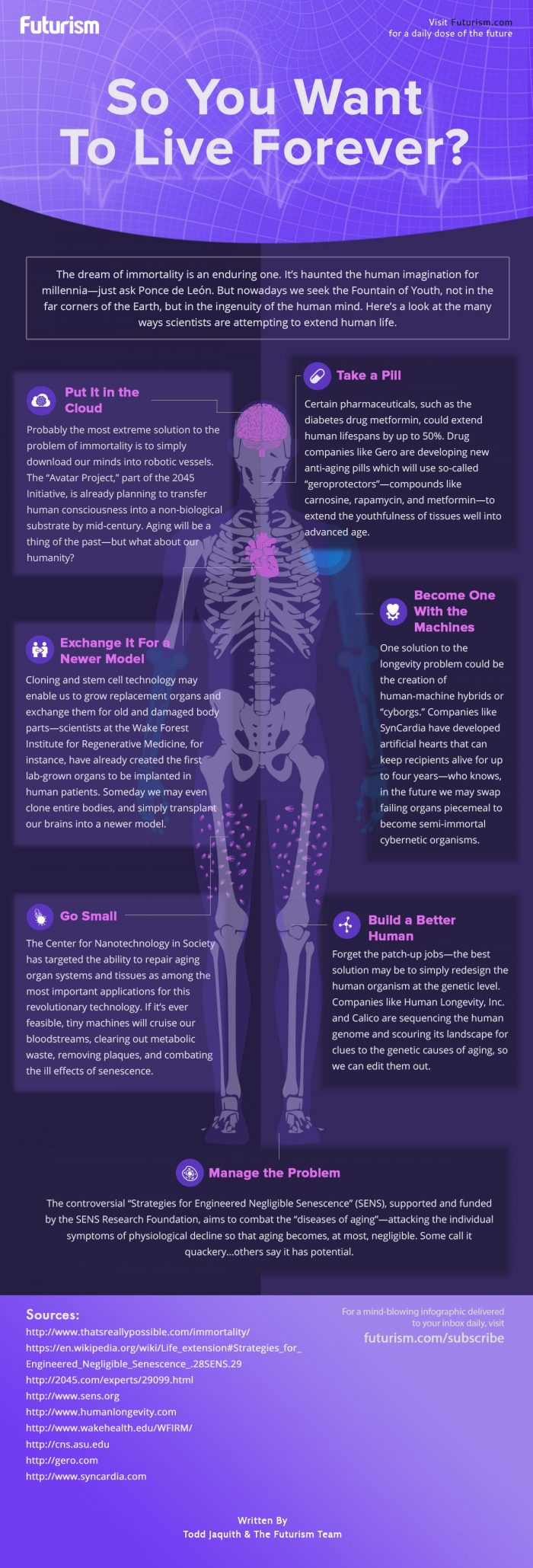
 

So You Want to Live Forever?

live-forever-infographic-700x2059

The Sundance Company                                                      
Established in 1976, The Sundance Company has the experience to help you with your commercial real estate needs throughout the Boise Valley. If your requirements include property management, leasing, real estate development, project planning, construction or space planning then look to us. The Sundance Company has more than 1.5 million square feet of office and industrial space available in prime locations in the Boise metropolitan area. More information is available at www.sundanceco.com or 208.322.7300.

 

How to Use Analytics to Make CRE Decisions 

analytics blur business close up
Photo by Lukas on Pexels.com

In the past, commercial real estate (CRE) leaders have had limited access to real-time data when planning future space and location requirements. A business might, for example, plan to hire 100 employees, then acquire the space needed to house those employees. But with the recent emergence of big data, enterprise leaders have the tools to implement proactive CRE solutions that operate in tandem with business goals.

CRE is rapidly becoming a more data-driven industry. The process of acquiring, maintaining and exiting properties is highly focused on the numbers — from the cost to buy or lease to the number of employees a property can house and its annual maintenance costs. But the amount of data CRE professionals can now access has proliferated exponentially. IBM found in 2017 that 90% of all existing data was created in the last two years, with data creation multiplying at an unprecedented pace.

However, only a small percentage of all this new data has been analyzed. The ability to collect, sort and analyze raw data aids in determining occupiers’ ability to make real estate decisions that best serve their businesses and their bottom lines, now and in future years. This requires business intelligence solutions that can quickly convert data to both descriptive and predictive formats, crunching numbers for thousands of variables to offer the most comprehensive analysis of an organization’s CRE portfolio. Solutions like these also allow organizations to work across siloed teams, such as people-planning and finance divisions, encompassing organization-wide data and priorities.

Tools like our Colliers360 business intelligence technology allows our experts to automate the process of data collection across data silos so clients can manage their real estate portfolios on one platform, using precise, actionable insights. And Colliers360 is just one example of how CRE analytics software can transform the decision-making process across an enterprise. In this article, we’ll examine the rapid proliferation of big data in the CRE field, discuss the tools available and why they are necessary for future-looking enterprises.

CRE DASHBOARDS AND ANALYTICS: THE BASICS

Let’s explore the basics of business intelligence systems, why they are spreading so quickly, and more importantly, what exactly they do. Cloud computing, data storage solutions and other technological innovations have enabled quick, affordable data collection and analysis. This phenomenon, in turn, means businesses are in a race to find ways to best utilize data in their decision-making processes.

When CRE data analytics are utilized effectively, they offer real estate managers and leaders a host of practical applications. These platforms can collect and sort through vast quantities of data, including stakeholder engagement surveys, enterprise data, macro-economic and market trends, real estate portfolio details, location information and more.

With cloud storage, leaders can take this data with them for on-the-go access to market insights and portfolio planning, among other tools. The Colliers360 platform, for example, is descriptive by immediately providing a snapshot of total real estate holdings and their performance, but it’s also predictive, by allowing analysts to forecast potential outcomes and create a CRE roadmap for the next three to five years based on market activity, people and resource growth, among other factors.

The challenge of analyzing today’s data is that there is too much data to analyze manually. Analytics solutions turn data — more data than can possibly be processed by humans — into actionable information. The one thing analytics can’t do is make decisions. Instead, analytics enable leaders to make informed decisions.

WHY ORGANIZATIONS SHOULD USE CRE ANALYTICS

Why do decision-makers need to use analytics? The answer is simple: Analytics offers businesses a competitive advantage.

No matter the industry, data analytics help enterprise leaders use resources efficiently to meet business goals. In today’s climate, data analytics are essential for managing CRE decisions. Real estate should be part of a holistic solution for managing enterprise growth. Marrying CRE analytics with business goals can provide a plethora of tangible benefits. Six benefits are listed below, but these are just a few of the many ways data analytics are reshaping the CRE planning for the better.

  1. Run the real estate organization more effectively. The most tangible benefit of reporting CRE analytics is access through a single easy-to-access environment. When a well-designed, integrated portal provides one source for the true cost, workload levels and measures that illustrate how effective your organization is delivering service to your internal customers. The power of the data allows you to assess the savings, efficiency metrics, customer satisfaction, and workload levels, as well as reporting on capital and operating expense budgeting effectiveness.
  2. Optimize portfolio performance. Data points that track how and whether real estate holdings are being used can help business leaders streamline their CRE portfolios. In the short term, data can help plan for today’s challenges. For example, leaders can review every single lease that’s expiring in the next two years and analyze business growth to determine their strategy, whether that is exiting, renewing or executing new leases. Combined with data about the company’s growth, goals and employees, analytics can form the basis for a long-term real estate roadmap.
  3. Reshape the working environment. CRE portfolio management isn’t just about the spaces on the map, but about what happens in those spaces. Engagement surveys track information about employee productivity, enjoyment, use of space, equipment and other metrics. Many of the ways people feel at work can turn into data, and this data can feedback to the real estate team, who then manages space to maximize employee productivity, engagement, and collaboration. Sensor logs and mapping tools can also help teams design spaces that match employees’ actual work patterns.
  4. Make sophisticated site selections. Data analytics aggregate every factor you could possibly consider when making a real estate decision including available labor, real estate costs, transportation channels, and market trends to provide a sophisticated analysis of risk and ROI. Data like this adds clarity to the site selection process.
  5. Future-proof real estate holdings. How much space will you need in five years? What kind of employees do you want to attract? Where is the labor market headed? With market performance tools and predictive analytics, decision-makers can plan proactively for business goals and market trends instead of reacting to market conditions, saving time and money in the process.
  6. A highly effective form of Customer Relationship Management (CRM). If you are reaping the benefits of points one through five noted above, then you will gain the confidence to lead evidence-based discussions with the business units you serve. The most effective form of CRM is bringing proactive ideas and opportunities to your internal partners. Being empowered with the analytics to help a business unit understand how they can reduce costs, identify better growth markets or illustrate how they are performing relative to other business counterparts or company benchmarks, allows you to set priorities and plans outside of traditional lease expirations.

We are moving from data-supported businesses toward data-centric businesses. Analytics tools must be in the forefront for the future-looking enterprise and are just as important for managing your real estate portfolio as for guiding important business decisions. Strategic real estate planning not only benefits your bottom line but also positions your firm to successfully meet your unique business goals.

Data analytics offer the most holistic basis for smart, future-thinking decision-making about your CRE portfolio. With real-time visibility, clients can develop customized strategies to make informed business decisions.

Portions of this article originally appeared on the Collier’s International website.

The Sundance Company                                                      
Established in 1976, The Sundance Company has the experience to help you with your commercial real estate needs throughout the Boise Valley. If your requirements include property management, leasing, real estate development, project planning, construction or space planning then look to us. The Sundance Company has more than 1.5 million square feet of office and industrial space available in prime locations in the Boise metropolitan area. More information is available at www.sundanceco.com or 208.322.7300.

 

10 Proven Ways to Build Trust With Employees

build-employee-trust-infographic-700x8405

The Sundance Company                                                      
Established in 1976, The Sundance Company has the experience to help you with your commercial real estate needs throughout the Boise Valley. If your requirements include property management, leasing, real estate development, project planning, construction or space planning then look to us. The Sundance Company has more than 1.5 million square feet of office and industrial space available in prime locations in the Boise metropolitan area. More information is available at www.sundanceco.com or 208.322.7300.